





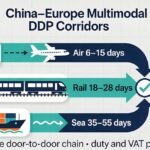


On the grand stage of today’s global economy, trade between China and Europe is becoming increasingly close, showing a vigorous development trend. China – Europe Rail and Road Freight, as two key logistics channels connecting China and Europe, are attracting more and more attention from enterprises. With the continuous rapid growth of China – Europe trade volume, how to make a wise choice between China – Europe Rail and Road Freight has become an important issue that many enterprises urgently need to solve. Next, let’s deeply analyze the characteristics of China – Europe Rail and Road Freight to provide you with accurate guidance in choosing the logistics channel.
I. New Pattern of International Freight: The Rise of Dual Logistics Channels between China and Europe
New Challenges Posed by the Surge in China – Europe Trade Volume to Logistics
In recent years, the scale of China – Europe trade has expanded dramatically, with a large number of goods frequently traveling between China and Europe. This rapid growth has brought comprehensive challenges to the logistics industry, putting forward higher requirements for the transportation capacity, timeliness, cost control, and cargo adaptability of logistics channels. China – Europe Rail and Road Freight, as the two main forces in China – Europe logistics, need to continuously optimize to meet the increasingly complex trade demands.
Positioning Differences between China – Europe Rail (Railway) and Road Freight (Truck – Highway Combined Transport)
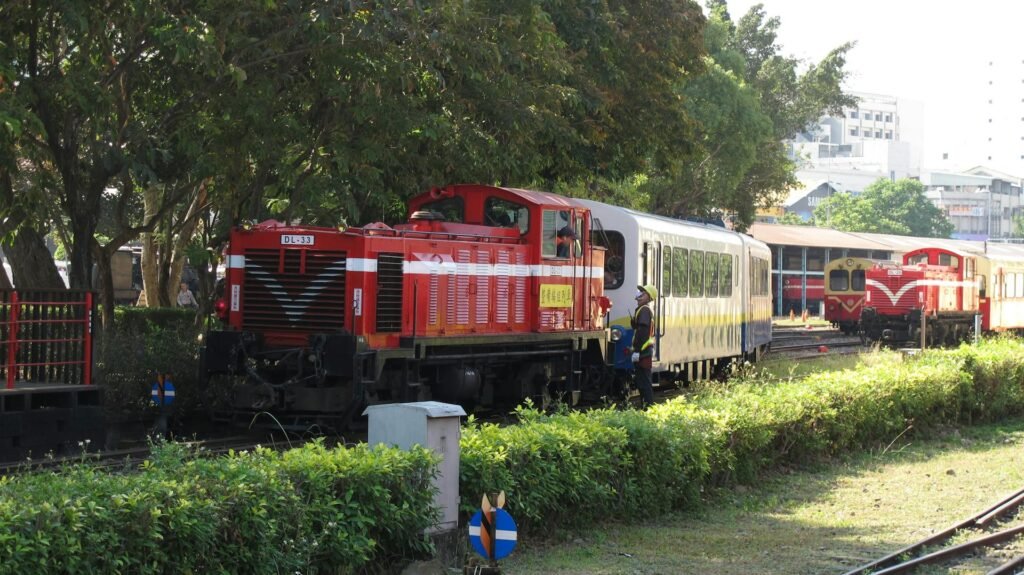
China – Europe Rail, relying on the large – volume transportation and stability of railway transportation, has become the backbone of the transportation of bulk commodities and storable goods, just like the “steel camel train” of China – Europe trade. Road Freight, through truck – highway combined transport, integrates flexibility and wide coverage, focusing on flexible transportation and the transportation of some goods with specific time – sensitive requirements, providing customers with intimate door – to – door services. Due to their different positioning, China – Europe Rail and Road Freight each play a unique role in the China – Europe logistics system.
Key Selection Factors: Timeliness, Cost, Cargo Characteristics, and Route Coverage
When considering choosing between China – Europe Rail and Road Freight, multiple key factors need to be comprehensively weighed. In terms of timeliness, if goods need to be delivered urgently, Road Freight may have an advantage with its flexible transportation arrangements; in terms of cost, China – Europe Rail is more economical in the transportation of bulk commodities. Cargo characteristics also determine the choice of transportation mode, as different goods need to be matched with suitable transportation solutions. In addition, differences in route coverage affect whether goods can be accurately delivered to the destination, and China – Europe Rail and Road Freight each have their own characteristics in coverage in different regions.
II. In – Depth Analysis of China – Europe Rail: Advantages and Limitations of the Steel Camel Train
The Core Competitiveness of Fixed Schedules and Stable Transportation
China – Europe Rail operates on a fixed schedule, providing shippers with a reliable transportation expectation. Regardless of changes in the market environment, its stable operation greatly reduces the risk of transportation delays, which is the key to ensuring the stability of the supply chain. This stability gives China – Europe Rail a unique competitiveness in China – Europe logistics, especially suitable for long – term and stable trade cooperation. For many enterprises relying on China – Europe Rail for transportation, its fixed schedule is like the stable rhythm of trade activities.
Cost Structure Analysis: Faster than Sea Freight, Cheaper than Air Freight – The Economic Account
Looking at the cost structure of China – Europe Rail, compared with sea freight, it has a shorter transportation time, saving time costs; compared with air freight, it has obvious cost advantages, especially suitable for the transportation of bulk commodities that are sensitive to costs. China – Europe Rail strikes a balance between cost and timeliness, providing enterprises with an economical and efficient choice in China – Europe logistics. This cost advantage makes China – Europe Rail a priority consideration for many enterprises in the field of bulk commodity transportation.
Applicable Scenarios: Bulk Commodities / Storable Goods / Goods from Western Chinese Cities
China – Europe Rail is suitable for the transportation of bulk commodities and storable goods, such as building materials and mechanical equipment. For goods from western Chinese cities, China – Europe Rail has played an important role, opening up an international logistics channel for inland areas. Its large – volume transportation characteristics meet the needs of bulk commodity transportation, and the stable transportation conditions are suitable for storable goods. China – Europe Rail has become an important link connecting western Chinese cities with the European market, promoting regional economic development.
Real – World Challenges: Border Congestion / Track Capacity / Impact of Extreme Weather
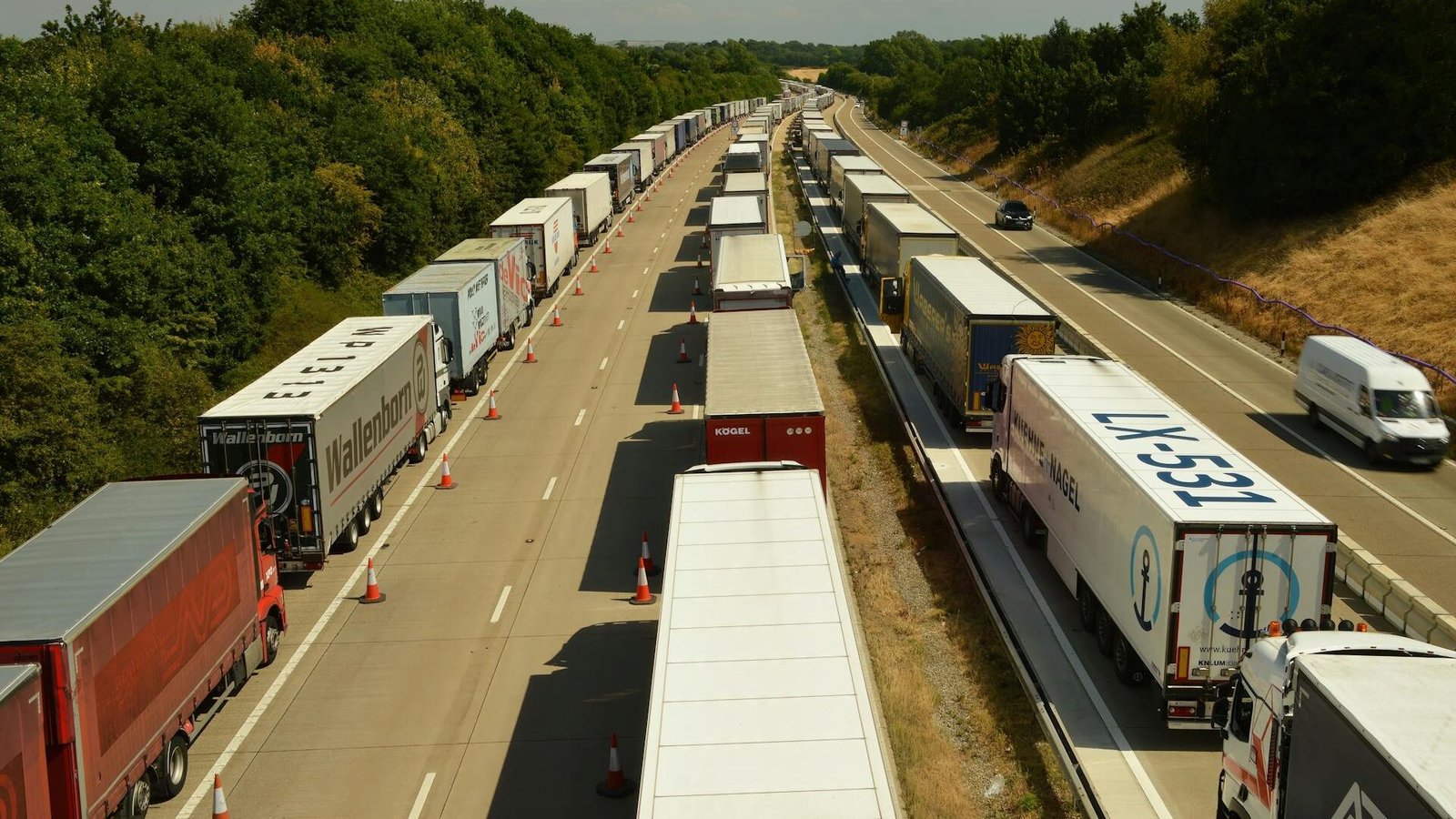
However, China – Europe Rail faces challenges such as border congestion, limited track capacity, and the impact of extreme weather. At border ports, cumbersome inspection and transshipment processes are likely to cause congestion, prolonging the transportation time. Track capacity may not be able to meet the demand during peak periods, and extreme weather such as heavy rain and snow can disrupt railway operations. These problems pose certain obstacles to the efficient transportation of China – Europe Rail and need to be addressed through process optimization and infrastructure improvement.
III. Unveiling Road Freight: The Golden Passage of Flexible Land Transportation
The Unique Advantages of the “Truck + Highway” Combined – Transport Model
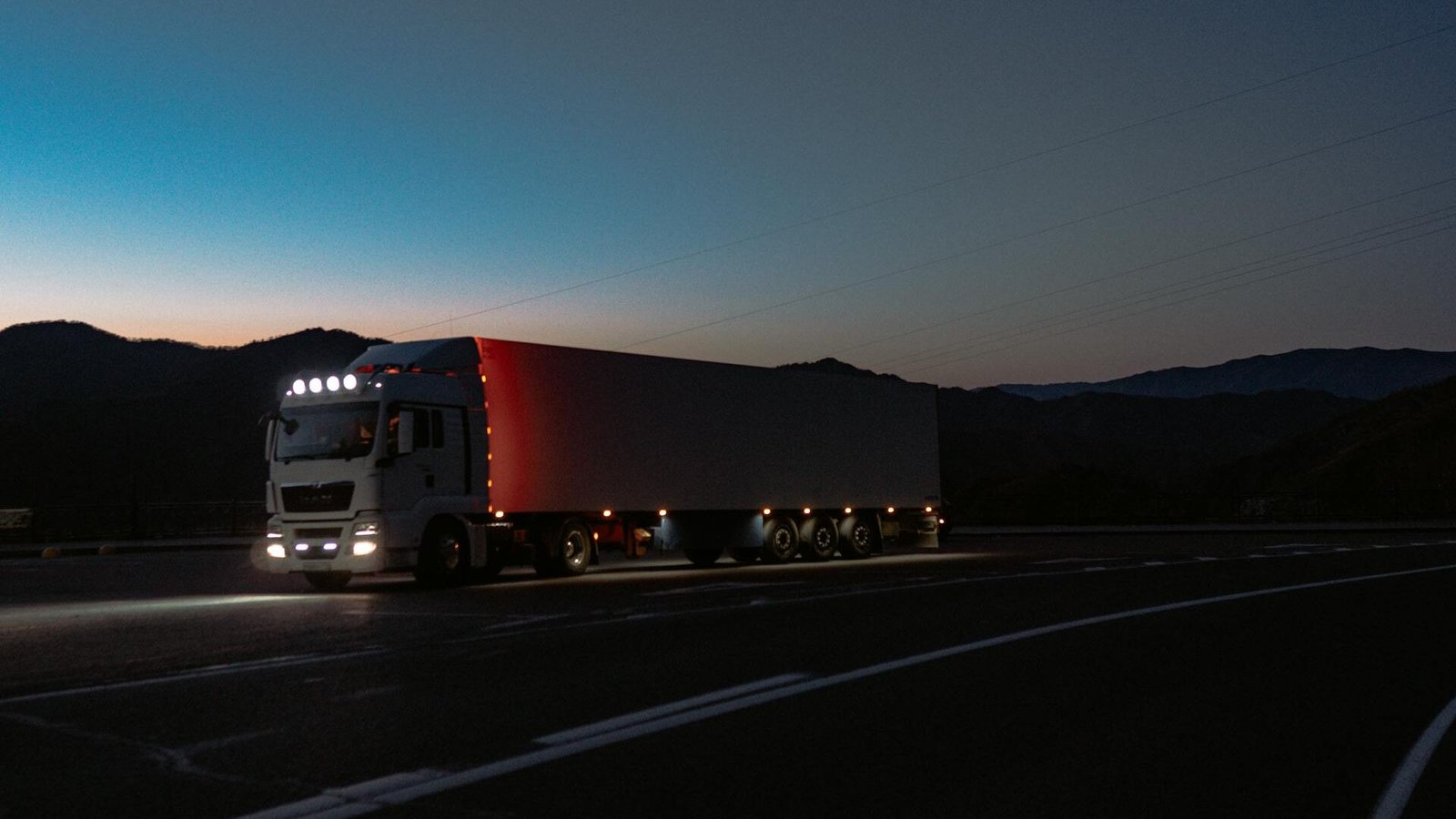
Road Freight adopts the “Truck + Highway” combined – transport model, giving full play to the flexibility of truck transportation and the extensiveness of the highway network. Trucks can pick up goods from the door and complete the last – mile delivery, providing customers with convenient door – to – door one – stop services. This model gives Road Freight a unique advantage in meeting the diverse transportation needs of customers, especially suitable for goods with high requirements for transportation flexibility. In China – Europe logistics, Road Freight provides customers with personalized logistics solutions through this model.
Timeliness Characteristics: 15 – 30 – Day Door – to – Door Delivery Time
Road Freight can usually achieve door – to – door transportation within 15 – 30 days, but its transportation timeliness is affected by various factors, such as route planning, border clearance, weather, and traffic conditions. When the planning is reasonable and the transportation is smooth, Road Freight can meet the transportation needs of some goods with time – sensitive requirements. Compared with China – Europe Rail, Road Freight is more flexible in terms of timeliness and can adjust transportation arrangements according to customer needs.
Applicable Cargo Types: High – Value – Added / Small – Batch / Flexible Transportation Requirements
Road Freight is suitable for transporting high – value – added, small – batch goods with high requirements for transportation flexibility, such as fashion new products and electronic product components. These goods have strict requirements for transportation safety and timeliness, and Road Freight can provide personalized services while ensuring timeliness. In the China – Europe logistics market, Road Freight has formed a unique competitive advantage for such goods.
Cost Control: Fuel Fluctuations / Transit Fees / Hidden Cost Warnings
The cost of Road Freight is affected by factors such as fuel price fluctuations, transit fees, and hidden costs. Fluctuations in fuel prices directly affect transportation costs, and various fees need to be paid when crossing borders. In addition, force majeure factors such as weather and traffic control may bring hidden costs. Therefore, when choosing Road Freight, enterprises need to pay close attention to cost factors and make reasonable plans to reduce cost risks. Different from the cost structure of China – Europe Rail, the cost control of Road Freight requires more meticulous management.
IV. Decision – Making Matrix: Four – Dimensional Precise Matching Solutions
1. Timeliness Dimension Comparison Table
- Urgent Orders (< 25 days): For urgent orders that require delivery within 25 days, Road Freight, with its flexible transportation arrangements, can better meet the demand in some cases and can be given priority consideration. However, it is necessary to judge in combination with the actual transportation route and situation to ensure that the timeliness is met. In China – Europe logistics, if time is tight, Road Freight may be a more suitable choice than China – Europe Rail.
- Regular Orders (15 – 30 days): For regular orders with a transportation time of 15 – 30 days, China – Europe Rail’s stability and cost advantages make it a good choice. If the goods have requirements for flexibility, Road Freight can also be considered, and a comprehensive evaluation is needed. Enterprises need to weigh the pros and cons between China – Europe Rail and Road Freight according to their own needs.
- Seasonal Stockpiling: For seasonal stockpiling, a dual – channel parallel strategy of China – Europe Rail and Road Freight can be adopted. China – Europe Rail can be used to transport some goods in advance to reduce costs, and Road Freight can be reserved for some goods to cope with emergency replenishment, ensuring the flexibility of the supply chain. This approach combines the advantages of both to meet seasonal logistics needs.
2. Cargo Characteristics Adaptation Guide
- Precision Instruments / High – Value Goods: Precision instruments and high – value goods have high requirements for transportation environment and safety. Road Freight can provide flexible transportation conditions and safety guarantees, making it an optional solution. If the time – sensitivity requirement is extremely high, it is necessary to choose in combination with the actual timeliness. Compared with China – Europe Rail, Road Freight may have more advantages in transporting such goods.
- Bulk General Goods / Heavy Goods: Bulk general goods and heavy goods have a large transportation volume and are sensitive to costs. The cost advantage of China – Europe Rail makes it an ideal choice. In China – Europe logistics, China – Europe Rail is an economical choice for the transportation of such goods.
- Special – Sized Goods: For special – sized goods, the truck transportation of Road Freight may have an advantage in loading flexibility, but road transportation restrictions need to be considered. The carriage size of China – Europe Rail is relatively fixed, and it is necessary to choose according to the specific size of the goods and railway regulations. Enterprises need to compare China – Europe Rail and Road Freight to determine the most suitable transportation method.
3. Geographical Coverage Heat Map
China – Europe Rail has formed multiple hub cities in China and corresponding stations in Europe, while Road Freight, relying on the highway network, has set up distribution centers, with more flexible coverage. From the geographical coverage heat map, in and around transportation hub cities, both have their own advantages in coverage; in remote areas, Road Freight may provide services with its flexibility. The differences in coverage in different regions affect enterprises’ choices between China – Europe Rail and Road Freight.
4. Cost – Benefit Simulation Calculator
An integrated calculation model can be constructed to evaluate the cost – benefit of China – Europe Rail and Road Freight. Taking a sample of goods with a value of less than 500kg as an example, when the goods have a low value and low time – sensitivity requirements, the cost of China – Europe Rail may be lower; if there are requirements for transportation flexibility and timeliness, the comprehensive benefit of Road Freight may be better. Enterprises can use this model to choose an economical and efficient transportation method according to their own situation.
V. Dual – Channel Risk Prevention and Control: Key Points of Customs Clearance and Insurance
Differences in Transit Customs Clearance between Railway and Road Transport
China – Europe Rail has a fixed process and ports for transit customs clearance, and the preparation and submission of customs clearance documents are relatively standardized. The road transport of Road Freight has more complex customs clearance requirements at the borders of different countries. It is necessary to understand the policies in advance and prepare documents to ensure smooth customs clearance. The differences in customs clearance between China – Europe Rail and Road Freight require enterprises to adopt different coping strategies.
Special Clauses of Insurance Plans for Vulnerable Goods
When choosing China – Europe Rail or Road Freight for the transportation of vulnerable goods, special clauses of insurance need to be paid attention to, such as whether risks such as vibration and collision are covered and the claim conditions and processes. Insurance clauses for different transportation methods may vary, and enterprises need to carefully compare and choose. In China – Europe logistics, a suitable insurance plan is crucial for vulnerable goods.
Comparison of Emergency Response Plans for Sudden Delays
Both China – Europe Rail and Road Freight may encounter sudden delays. China – Europe Rail has limited adjustment space due to railway scheduling, while Road Freight can adjust routes to reduce the impact in case of congestion or bad weather. Enterprises should formulate emergency response plans according to the importance and timeliness of the goods to ensure that they can respond to emergencies. In China – Europe logistics, an effective emergency response plan can reduce losses.
Latest Customs Policy Developments (e.g., New Russian Transit Regulations)
Customs policies have a significant impact on China – Europe logistics. For example, new Russian transit regulations have new requirements for goods declaration, inspection and quarantine, etc. Enterprises need to pay attention to policy dynamics and adjust transportation plans to ensure compliant transportation. Whether it is China – Europe Rail or Road Freight, they need to adapt to changes in customs policies.
VI. Future Trends: The Integrative Evolution of Smart Logistics
The Resource Integration Trend of Digital Booking Platforms
With the development of technology, digital booking platforms are integrating the resources of China – Europe Rail and Road Freight. Shippers can query shipping space information, compare prices, and place orders in real – time through these platforms, improving operation convenience and transparency. This integration provides enterprises with a more convenient and efficient way to choose between China – Europe Rail and Road Freight.
Innovative Cases of “Rail + Road” Combined Transport
More and more enterprises are trying the “Rail + Road” combined – transport model. First, China – Europe Rail is used to transport goods to major European hub cities, and then Road Freight is used for distribution to surrounding areas. This model gives full play to the advantages of both and provides customers with high – quality services, which is the innovative development direction of China – Europe logistics. Enterprises can learn from these cases to optimize their own logistics solutions.
Green Transportation Options under the Carbon Neutrality Goal
With the global advocacy of carbon neutrality, both China – Europe Rail and Road Freight are exploring green transportation methods. China – Europe Rail optimizes its organization and improves energy efficiency, while Road Freight can adopt new – energy trucks and optimize routes. Both are working hard to achieve the goal of green logistics, providing enterprises with environmentally friendly transportation options.
Practical Application of Artificial Intelligence in Route Optimization
Artificial intelligence helps with the route optimization of China – Europe Rail and Road Freight. By analyzing a large amount of data, it can plan the optimal route, avoid congestion, improve efficiency, and reduce costs. In the future of China – Europe logistics, artificial intelligence will play a greater role in improving the intelligence level of transportation.
VII. Decision – Making Tree: Three Steps to Lock in the Best Option
1. Cargo Attribute Diagnosis (Category / Value / Size)
Enterprises need to comprehensively diagnose the attributes of the goods, clarify the category, evaluate the value, and measure the size. Understanding the attributes of the goods is the basis for choosing between China – Europe Rail and Road Freight, as goods with different attributes are suitable for different transportation methods.
2. Timeliness – Budget Balance Test
According to the delivery time of the goods and the logistics budget, weigh the differences in timeliness and cost between China – Europe Rail and Road Freight. Find a solution that meets the timeliness requirements and controls costs to maximize logistics benefits. This is a key step in choosing the transportation method.
3. Backup Channel Emergency Plan Setting
There are uncertainties in transportation, and enterprises should formulate backup channel emergency plans. Ensure that in case of emergencies, the goods can be delivered on time and safely. China – Europe Rail and Road Freight each have their own characteristics, and the emergency plan needs to be combined with the actual situation.
When choosing between China – Europe Rail and Road Freight in China – Europe logistics, enterprises need to comprehensively consider the above – mentioned factors and make accurate decisions based on their own needs. Ensure the efficient, economical, and safe transportation of goods, helping enterprises gain a competitive edge in China – Europe trade.