





Introduction: The Wind Shifts for Ocean-Going Vessels
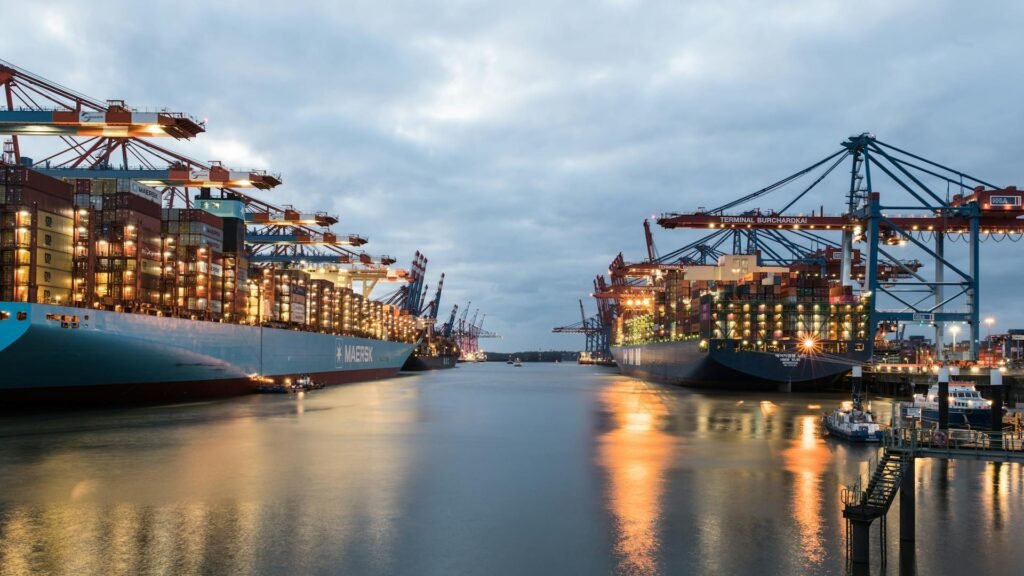
As dawn breaks over Yantian Port in Shenzhen, container gantry cranes lift and move shipping containers emblazoned with logos like “MAERSK” and “COSCO” in an orderly rhythm. Li Ming, a freight forwarder, had just opened his computer when he received an urgent email from his US client, John: “Could you pause plans to shift the next batch of electronic products to Vietnam? After evaluation, our headquarters believes the wind of China-US trade has changed, and shipping directly from China may be more cost-effective.”
Scenes like this have been playing out frequently at major Chinese ports recently. A series of positive signals from China-US trade relations, like a stone thrown into the global logistics market, have created ripples across the industry. As the core link connecting trade between the two nations, the international shipping sector is feeling the profound impacts of these changes—route layouts are being readjusted, transportation costs are loosening, and supply chain decisions are quietly shifting. The course of ocean-going vessels is subtly changing with the shifts in China-US trade dynamics.
Part 1: Decoding the Policies: How Two Measures Directly Benefit International Shipping
Tariff Reductions: Direct Cost Relief for Shippers and Freight Forwarders
Among the positive signals in China-US trade, tariff reductions stand out as the most anticipated measure for the industry. This adjustment covers multiple categories including mechanical equipment, electronic components, and chemical products, directly addressing the core demands of international shipping—cost and certainty.
For exporters, lower tariff costs translate directly into enhanced product competitiveness in the US market. Previously, exporters of some high-tariff goods had to compromise on pricing or absorb additional costs to maintain market share in the US. Now, with China-US trade tariff relief, profit margins for existing orders have expanded, and potential clients who hesitated due to tariff pressures are returning. It is expected that shipping volumes for these beneficiary categories will remain stable or even grow steadily.
For freight forwarders, the stabilization of China-US trade policies resolves their biggest pain point: uncertainty. Prior to this, frequent changes in China-US trade tariffs led many clients to adopt a wait-and-see approach or relocate production capacity, resulting in volatile order volumes for freight forwarders. Today, clients in tariff-reduced sectors have clearer business expectations, ensuring more stable transaction volumes. Forwarders no longer need to worry about order losses caused by sudden shifts in China-US trade policies.
Suspension of Investigations and Port Fee Exemptions: Easing Logistics Chain Congestion
Beyond tariff adjustments, the suspension of reciprocal punitive investigations and mutual exemption of certain port fees have injected vitality into the international shipping industry. Many may be unfamiliar with “port fees”—they are not a single charge but a series of expenses related to vessel berthing, including berthing fees, tonnage dues, pilotage fees, and loading/unloading fees, accounting for a significant portion of shipping companies’ operational costs.
The impact of this policy adjustment is transmissible. For shipping companies, direct operational costs for China-US trade routes have dropped significantly, restoring profit margins previously squeezed by punitive fees. For shippers and freight forwarders, part of the cost savings from shipping companies will be passed on to ocean freight rates, creating room for the long-high shipping costs to decline and further reducing overall logistics expenses.
More importantly, the policy adjustment reduces operational delays that could arise from fee disputes. In the past, punitive fees often led to coordination challenges between shipping companies and ports, indirectly affecting cargo turnover efficiency. Now, with these barriers removed, processes such as vessel berthing, cargo loading/unloading, and customs clearance have become smoother, making the logistics cycle of China-US trade routes more predictable.
Part 2: Ripple Effects: Subtle Changes in the International Shipping Landscape
Routes and Shipping Space: The Appeal of Returning to Main Routes
Previously affected by China-US trade frictions, some enterprises relocated production capacity to Southeast Asia to avoid high tariffs, transporting goods via alternative routes such as “China-Southeast Asia-US.” However, as China’s export cost advantage rebounds, this pattern is shifting.
Many enterprises have found obvious shortcomings in alternative routes via Southeast Asia: far fewer sailings than direct China-US main routes, longer transportation cycles due to waiting for LCL (less than container load) shipments, inadequate infrastructure at some Southeast Asian ports leading to low loading/unloading efficiency, and potential additional warehousing and transshipment costs. In contrast, direct China-US main routes offer distinct advantages—dense sailings, stable transit times, and direct shipping from ports in the Yangtze River Delta or Pearl River Delta to the US West Coast in just 12-18 days.
Against this backdrop, some goods originally planned for transshipment via Southeast Asia are now returning to direct China-US main routes. This shift has strengthened the shipping volume and industry status of China-US trade routes. In response, shipping companies are adjusting their capacity allocation—either maintaining existing capacity on China-US routes or appropriately adding extra sailings. This eases the tightness of shipping space and further stabilizes freight rates.
Supply Chain Decisions: From “China+1” to “Pause+1”
In recent years, the “China+1” strategy has become a popular supply chain layout choice for many multinational enterprises. This strategy involves establishing backup production capacity in regions like Southeast Asia in addition to Chinese manufacturing bases to mitigate risks from China-US trade uncertainties. However, the improvement in the China-US trade environment has prompted many enterprises to reassess this strategy.
From an international shipping perspective, implementing the “China+1” strategy is not without costs. While Southeast Asia offers advantages in labor costs, its logistics supporting facilities are far less mature than China’s: lower density of international shipping routes, with some ports lacking direct sailings to the US; underdeveloped logistics management systems, resulting in lower efficiency and transparency in cargo tracking and customs clearance; and limited infrastructure capacity, which easily leads to congestion during peak shipping seasons.
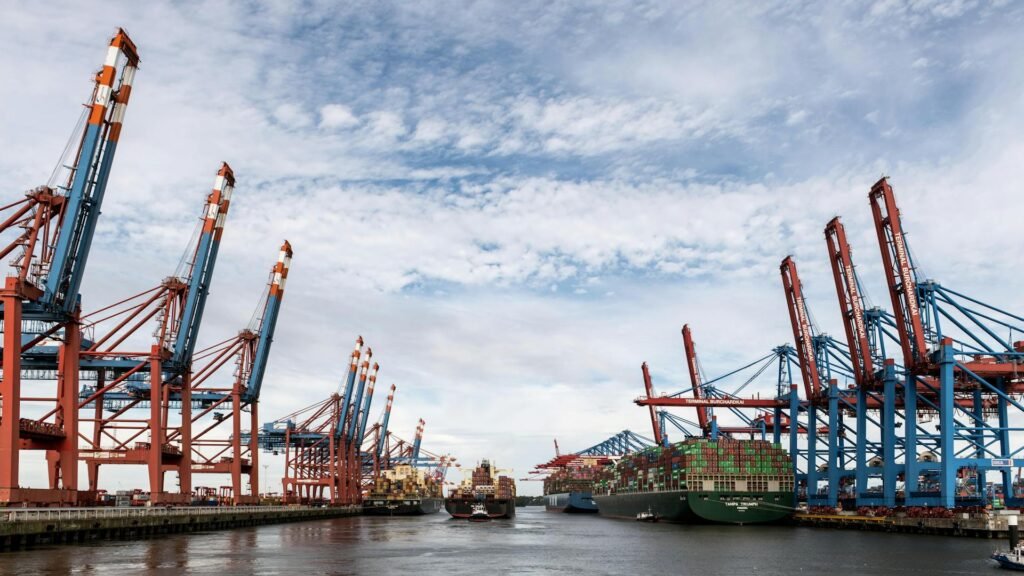
In contrast, China boasts the world’s most mature and efficient international shipping ecosystem. The Yangtze River Delta and Pearl River Delta regions are home to the world’s densest network of shipping company branches and freight forwarders, providing one-stop services from booking, customs declaration, transportation to distribution. With advanced port facilities, ports like Yantian Port and Ningbo-Zhoushan Port are among the world’s top in throughput and loading/unloading efficiency. Their extensive route networks include over 50 weekly sailings from China to the US West Coast, meeting the timeliness needs of different shippers.
The stability of China-US trade has highlighted China’s advantage in international shipping efficiency, outweighing considerations of pure labor costs. A growing number of enterprises are pausing or adjusting their “China+1” production relocation plans, choosing to continue deepening their presence in China and leveraging the efficient and stable international shipping network to ensure global supply.
Part 3: Looking Ahead: Insights for International Shipping Stakeholders
For Shippers/Exporters: Precision Layout to Lock in Advantages
Shippers and exporters should first sort out whether their products are included in the tariff reduction list and adjust their export strategies accordingly. For beneficiary categories, they can increase promotion efforts in the US market to expand market share with cost advantages. At the same time, they must closely monitor subsequent developments in China-US trade policies, predict freight rate trends, and avoid cost increases caused by market fluctuations.
Establishing long-term and stable cooperative relationships with freight forwarders and shipping companies is crucial. Amid rising shipping demand, long-term cooperation can help enterprises secure more cost-effective freight rates and stable shipping space—especially during peak seasons, preventing delivery delays due to insufficient space. Additionally, enterprises can explore diversified logistics models such as “ocean shipping + cross-border e-commerce” and “FCL + LCL combinations” to further optimize logistics cost structures.
For Freight Forwarders and Logistics Companies: Optimize Services to Seize Opportunities
Freight forwarders and logistics companies need to prepare production capacity in advance to meet the potential growth in China-US shipping demand. They can strengthen capacity integration for US routes, negotiate with shipping companies to secure better tariff policies and shipping space guarantees, and optimize internal operational processes to improve customs declaration efficiency and shorten cargo turnover time at ports.
In response to changing client needs, they should launch more targeted integrated logistics solutions. For example, provide one-stop “fast shipping + overseas warehouse” services for clients with high timeliness requirements, and design “LCL + ocean express” combined plans for cost-sensitive clients. They can also expand value-added services such as cargo tracking, tariff consulting, and supply chain finance to enhance client stickiness in the context of evolving China-US trade dynamics.
For Shipping Companies and Ports: Strengthen Layouts to Improve Efficiency
Shipping companies need to re-evaluate the strategic importance of China-US trade routes and reasonably allocate capacity based on changes in shipping volume. They can appropriately increase direct sailings on main China-US routes, optimize port calls, and improve transportation efficiency. Meanwhile, they should use digital tools to upgrade booking systems and cargo tracking services, enhancing the client experience amid deepening China-US trade cooperation.
Ports should continue to promote infrastructure upgrades, improve terminal loading/unloading efficiency and warehousing capacity to meet potential growth in shipping demand. Strengthening collaboration with shipping companies and freight forwarders, simplifying customs clearance processes, and advancing the construction of “paperless customs declaration” and “smart ports” will further shorten cargo stay time at ports, consolidating the core position of Chinese ports in the global logistics network amid favorable China-US trade trends.

Conclusion: Rebalancing Efficiency and Cost
The positive signals emerging from China-US trade not only represent a “breakthrough” in bilateral trade relations but also an important correction to the logic of global international shipping. For a long time, there has been a tendency in international trade to prioritize production costs over logistics efficiency. However, in today’s deeply integrated global economy, supply chain stability and logistics efficiency are already as important as production costs, becoming core components of enterprise competitiveness.
China has built an unparalleled level of international shipping convenience through decades of accumulated advanced port facilities, dense route networks, and professional logistics service systems. As the China-US trade environment improves, this advantage is quickly transforming into a core competitiveness that attracts global orders, solidifying China’s position in the global supply chain.
In the future, with the continuous improvement of China-US trade relations and the restructuring of the global logistics network, the international shipping industry will usher in new development opportunities. Whether shippers, freight forwarders, shipping companies, or ports, only by accurately grasping the direction of China-US trade policies, focusing on efficiency improvement and cost optimization, can they seize the initiative in this structural adjustment and jointly promote the healthy development of global trade and logistics driven by positive China-US trade momentum.