





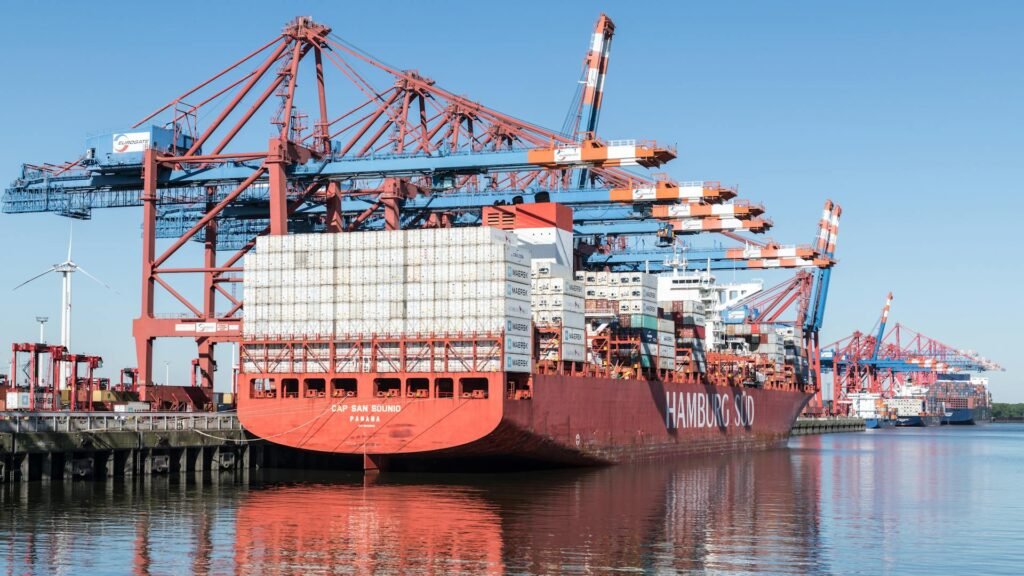
In the context of the global energy transition today, the market demand for energy storage batteries, as an important energy storage device, is increasing day by day. However, the cross – border shipping of energy storage batteries faces many challenges. Energy storage batteries are high – value and high – risk goods, and their shipping process must strictly follow relevant regulations. So, why has the combination of DG container shipping by sea and CIF destination port become the industry consensus? This article will provide you with a detailed analysis.
I. Transportation Characteristics and Constraints of Energy Storage Batteries
1.1 Coexistence of High Value and High Risk
Energy storage batteries usually have high value because they use advanced technologies and high – quality materials. At the same time, they also carry high risks. Energy storage batteries contain chemical substances inside. During transportation, improper handling such as collisions, squeezes, or high temperatures may cause safety accidents such as fires and explosions, which can not only result in the loss of goods but also cause serious harm to people and the environment.
1.2 Air Shipping Bans: Why Can’t They Be Shipped by Air?
In most cases, energy storage batteries are prohibited from being shipped by air. This is mainly because the environment of air transportation is quite special. During the flight, the aircraft experiences drastic changes in air pressure and temperature, and energy storage batteries are more prone to safety problems in such an environment. Moreover, in the event of a battery fire or explosion on an aircraft, the consequences would be unimaginable. Therefore, to ensure air safety, organizations such as the International Air Transport Association (IATA) have formulated strict restrictions and bans on the air shipping of energy storage batteries.
1.3 Hazardous Goods Classification: UN Numbers and Maritime Shipping Requirements
Energy storage batteries belong to the category of hazardous goods and have specific UN numbers. Different types of energy storage batteries correspond to different UN numbers, which are important references for identifying and handling hazardous goods during maritime shipping. Maritime shipping also has very strict requirements for energy storage batteries, including detailed regulations on packaging, labeling, and the selection of transportation tools.
For example, energy storage batteries need to be packed with materials that meet the standards to prevent leakage and short – circuits during transportation. At the same time, transportation tools must also be equipped with corresponding safety facilities, such as fire – and explosion – proof devices.
II. DG Container Shipping by Sea – The Only Viable Shipping Method
2.1 What is a DG Container? Special Configurations and Requirements
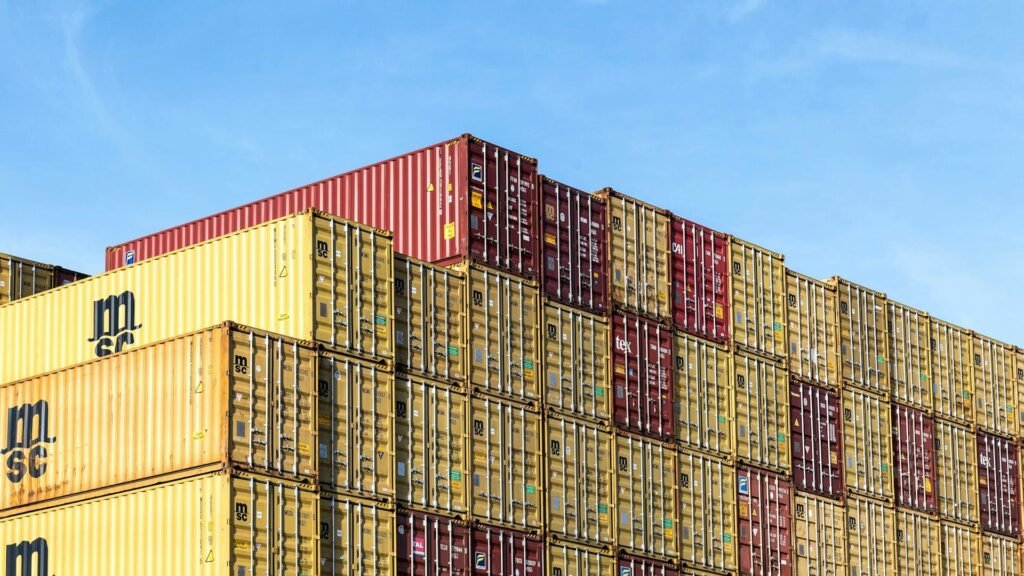
A DG container, or a hazardous goods container, is specially designed for shipping hazardous goods. It has special configurations and requirements to ensure safety during transportation. DG containers are usually made of high – strength materials, with good sealing performance and fire – and explosion – proof capabilities. In addition, DG containers are also equipped with special ventilation devices to prevent the accumulation of harmful gases. When using DG containers to ship energy storage batteries, regular inspections and maintenance are also required to ensure that they meet shipping requirements.
2.2 Detailed Explanation of Booking and Declaration Procedures
Booking is the first step in shipping energy storage batteries by sea. Shippers need to book DG containers from freight forwarders or shipping companies. When booking, detailed information about the goods, including the type, quantity, weight, and size of the goods, needs to be provided. The declaration procedure is more complex and requires submitting a series of documents and materials to relevant departments, such as the MSDS (Material Safety Data Sheet) and the hazardous package certificate.
These documents and materials are used to prove the nature and safety of the goods, as well as the compliance of the packaging. Only after the declaration is approved can the goods be officially arranged for shipping.
2.3 Practical Points for Packing, Fixing, and Temperature Control
When packing, attention should be paid to the placement of energy storage batteries to avoid squeezing and collisions between the batteries. At the same time, appropriate fixing materials should be used to secure the batteries to prevent them from moving during transportation. Temperature control is also a very important aspect. Energy storage batteries are sensitive to temperature, and too high or too low temperatures may affect the performance and safety of the batteries. Therefore, during transportation, appropriate measures should be taken to control the temperature, such as using temperature – controlled containers or adding heat – insulating materials.
2.4 Document Preparation: MSDS, Hazardous Package Certificate, Transport Declaration, etc.
The MSDS is a detailed material safety data sheet that contains information such as the chemical composition, physical properties, hazard characteristics, and first – aid measures of energy storage batteries. The hazardous package certificate is a document proving that the packaging meets the requirements for shipping hazardous goods. The transport declaration is a statement by the shipper about the shipping situation of the goods, including the nature, quantity, and shipping method of the goods. These documents are essential for the sea shipping of energy storage batteries, and the lack of any one of them may result in the goods being unable to be shipped smoothly.
III. Why has the CIF Destination Port Model Become the Mainstream?
3.1 Cargo Ownership Protection: Cargo Ownership Does Not Transfer During Transportation
Under the CIF destination port model, cargo ownership does not transfer during transportation until the goods reach the destination port. This is an important protection for shippers, as they can effectively control the goods during the shipping process. Even if problems occur during transportation, the shipper still has the ownership of the goods and can take corresponding measures to safeguard their rights and interests.
3.2 Clear Risk Division: The Seller is Responsible Until the Destination Port
Under the CIF destination port model, the risk division is very clear. The seller needs to bear all risks of the goods until they reach the destination port, including damage and loss during transportation. The buyer then assumes the corresponding risks after the goods arrive at the destination port. This clear risk division can avoid disputes between the buyer and the seller regarding risk – taking and improve the efficiency and safety of transactions.
3.3 Cost Controllability: Avoiding Unforeseen Costs at the Destination Port
By adopting the CIF destination port model, the seller can clearly specify the price of the goods and shipping costs in the contract, thus effectively controlling the costs. At the same time, this model can also avoid unforeseen costs at the destination port, such as port congestion fees and customs inspection fees. Since these fees are usually handled by the seller during transportation, the buyer only needs to pay the corresponding amount according to the contract.
3.4 Insurance Arrangement: More Comprehensive Full – term Risk Coverage
Under the CIF destination port model, the seller usually purchases insurance for the goods to cover the risks during transportation. This insurance arrangement can provide more comprehensive risk protection for the goods. In the event of loss during transportation, the shipper can obtain corresponding compensation through insurance. Moreover, since the seller has a better understanding of the situation of the goods during transportation, they can choose a more suitable insurance plan to ensure full coverage of the risks of the goods.
IV. Why is Double – Clearance and Tax – Included Shipping Not Recommended?
4.1 Cargo Safety Risk: Multiple Intermediate Links and Difficult to Control
The double – clearance and tax – included shipping model usually involves multiple intermediate links, such as freight forwarders and customs brokers. The increase in these intermediate links makes it more difficult to control the goods, and the goods are more prone to problems during transportation. For example, if the customs broker’s operation is not standardized during the customs declaration process, the goods may be detained or fined by the customs. Moreover, due to the large number of intermediate links, it is difficult to determine the responsible party once a problem occurs, and the rights and interests of the shipper are difficult to be protected.
4.2 Tax Compliance Risk: May Affect the Importer’s Credit Record
The double – clearance and tax – included shipping model may pose tax compliance risks. Some unregulated freight forwarders may use methods such as under – invoicing the price to reduce taxes, which is illegal. Once discovered by the customs, it not only leads to the detention of the goods but also may affect the importer’s credit record. The importer’s credit record is very important for their future trading activities. Once affected, they may face more restrictions and risks.
4.3 Opaque Costs: Hidden Fees and Follow – up Problems
The costs of the double – clearance and tax – included shipping model are often opaque. Freight forwarders usually include all fees in the quote, but there may be some hidden fees, such as miscellaneous fees and agency fees. These hidden fees may not be clearly informed to the shipper when signing the contract and only appear during the goods transportation process, resulting in an increase in the shipper’s actual costs. Moreover, due to the opaque costs, it is difficult for the shipper to effectively control and compare the fees.
4.4 Vague Responsibilities: Difficult to Hold Liability in Case of Problems
In the double – clearance and tax – included shipping model, the liability division is often unclear. When problems occur during the transportation of the goods, it is difficult to determine whether it is the responsibility of the freight forwarder, the customs broker, or other links. This makes it difficult for the shipper to hold the responsible party accountable and obtain compensation in a timely manner. Moreover, due to the vague responsibilities, all parties may shift the blame to each other, further prolonging the time to solve the problem.
V. In – depth Analysis: Why is the DDP Model Rarely Used?
5.1 From the Perspective of Freight Forwarders: Disproportionate Risks and Responsibilities
From the perspective of freight forwarders, the DDP model has the problem of disproportionate risks and responsibilities. Under the DDP model, freight forwarders need to bear all responsibilities and risks of shipping the goods to the buyer’s designated location, including the costs at the destination port and changes in the regulations of the importing country. However, the fees charged by freight forwarders are often relatively low and cannot fully cover the risks they bear.
For example, the costs at the destination port may increase significantly due to port congestion and customs inspections, and freight forwarders need to bear these additional costs on their own. Moreover, changes in the regulations of the importing country may also lead to the goods being unable to clear customs smoothly, and freight forwarders need to bear the corresponding responsibilities.
5.2 From the Perspective of Shippers: Considerations of Control and Cost
For shippers, the DDP model means losing control over the goods during the shipping process. Shippers need to rely on freight forwarders to complete the shipping and customs clearance of the goods and cannot timely understand the shipping situation of the goods. Moreover, since the costs under the DDP model are difficult to accurately estimate, shippers may face the risk of cost overruns. In addition, once problems occur during transportation, shippers will also face more difficulties in handling disputes.
5.3 Market Reality: Few Professional DG Freight Forwarders Offer DDP Services
In the market, few professional DG freight forwarders offer DDP services. This is because of the Special characteristics of hazardous goods shipping, which requires freight forwarders to have higher professional capabilities and resources. Moreover, there are also certain limitations in the liability insurance coverage for the DDP model, and it is difficult for freight forwarders to find suitable insurance plans to cover the risks they bear. In addition, industry practices and accumulated experience also make freight forwarders more inclined to choose other shipping models, such as the CIF destination port model.
VI. Best Practices for Safe Shipping of Energy Storage Batteries
6.1 Evaluation Criteria for Selecting Professional Hazardous Goods Freight Forwarders
Selecting a professional hazardous goods freight forwarder is the key to ensuring the safe shipping of energy storage batteries. When selecting a freight forwarder, factors such as their professional qualifications, experience, and reputation need to be considered. A professional freight forwarder should have relevant qualifications for shipping hazardous goods, rich shipping experience, and be able to provide comprehensive services. At the same time, the reputation of the freight forwarder is also very important. A good reputation can ensure that the freight forwarder complies with relevant regulations during transportation and provides high – quality services for shippers.
6.2 International Standards for Packaging and Labeling
Packaging and labeling are important links in the safe shipping of energy storage batteries. The packaging needs to comply with international standards, and appropriate materials and methods should be used for packaging to ensure that the batteries are not damaged during transportation. The labeling needs to clearly and accurately indicate information such as the nature and hazard characteristics of the goods to facilitate correct handling and operation during transportation. For example, the UN number, hazard category, and warning signs should be marked on the packaging.
6.3 Emergency Response Plans and Insurance Arrangements
Developing an emergency response plan is an important measure to deal with emergencies during transportation. The emergency response plan should include methods and procedures for dealing with accidents such as fires, leaks, and explosions. At the same time, it is also very necessary to purchase insurance for the goods. Insurance can provide economic compensation when the goods are lost, reducing the losses of shippers. When selecting an insurance plan, factors such as the value of the goods and the shipping route need to be comprehensively considered to choose a suitable insurance type and coverage amount.
6.4 Monitoring of Key Nodes (Loading, Transshipment, Arrival at the Port)
Monitoring key nodes during transportation can help detect problems in a timely manner and take corresponding measures. At key nodes such as loading, transshipment, and arrival at the port, the situation of the goods needs to be inspected and recorded to ensure the safety of the goods. For example, when loading, it is necessary to check whether the packaging of the goods is intact and whether the fixing is firm; during transshipment, attention should be paid to the transfer situation of the goods; when arriving at the port, customs clearance procedures need to be completed in a timely manner to ensure the smooth delivery of the goods.
VII. Frequently Asked Questions
What should the consignee do after the goods arrive at the destination port under the CIF model?
After the goods arrive at the destination port under the CIF model, the consignee needs to complete the customs clearance procedures in a timely manner and pay relevant taxes and fees. At the same time, the goods need to be inspected to ensure that the quantity and quality of the goods meet the contract requirements. If it is found that there are damages or shortages of the goods, the consignee needs to contact the seller and the insurance company in a timely manner for compensation.
How to deal with customs inspections at the destination port?
If customs inspections occur at the destination port, the consignee needs to actively cooperate with the customs’ work and provide necessary documents and materials. At the same time, it is necessary to maintain communication with the freight forwarder to understand the progress of the inspection. If there are problems with the goods, measures should be taken in a timely manner for rectification to ensure that the goods can pass the inspection smoothly.
What are the requirements for the State of Charge (SOC) of batteries?
Different shipping methods and destinations may have different requirements for the State of Charge (SOC) of batteries. Generally speaking, to ensure shipping safety, the SOC of batteries should not be too high. Before shipping, shippers need to understand the relevant requirements and handle the batteries according to the requirements.
What are the special requirements of different countries (such as Europe, the United States, and Southeast Asia)?
Different countries and regions have different special requirements for the import of energy storage batteries. For example, European and American countries have high requirements for the environmental protection standards and safety performance of batteries and require relevant certification documents. Southeast Asian countries may have different regulations on import procedures and taxes. Shippers need to understand the specific requirements of the destination country before shipping to ensure the smooth import of the goods.
VIII. Conclusion
The shipping of energy storage batteries needs to follow the core principles of safety first, risk control, and professional operation. When choosing shipping methods and models, various factors need to be comprehensively considered and the pros and cons weighed. The CIF destination port model has become the mainstream choice for the cross – border shipping of energy storage batteries due to its advantages in cargo ownership protection, risk division, cost control, and insurance arrangement.
As the market for energy storage batteries continues to develop, the shipping demand will also continue to increase. In the future, the shipping of energy storage batteries may develop in a more safe, efficient, and environmentally friendly direction. At the same time, relevant regulations and standards may also be continuously improved and updated. Shippers and freight forwarders need to closely follow these changes and adjust their shipping strategies in a timely manner.