





In this guide
- What Is the US Customs Clearance Process for DDP Shipments?
- Who Handles US Customs Clearance on a DDP Shipment: Seller, Buyer, or Broker?
- Formal Entry vs Informal Entry: Which Path Will Your Shipment Take?
- US Customs Clearance Process Steps: From ISF Filing to Cargo Release
- What Documents Do You Need for DDP Customs Clearance in the USA?
- What Happens If Your DDP Shipment Gets Held by US Customs?
- DDP vs DAP: Who Clears US Customs and Who Pays the Duties?
- Ready to Ship DDP to the US?
- Further reading
What Is the US Customs Clearance Process for DDP Shipments?
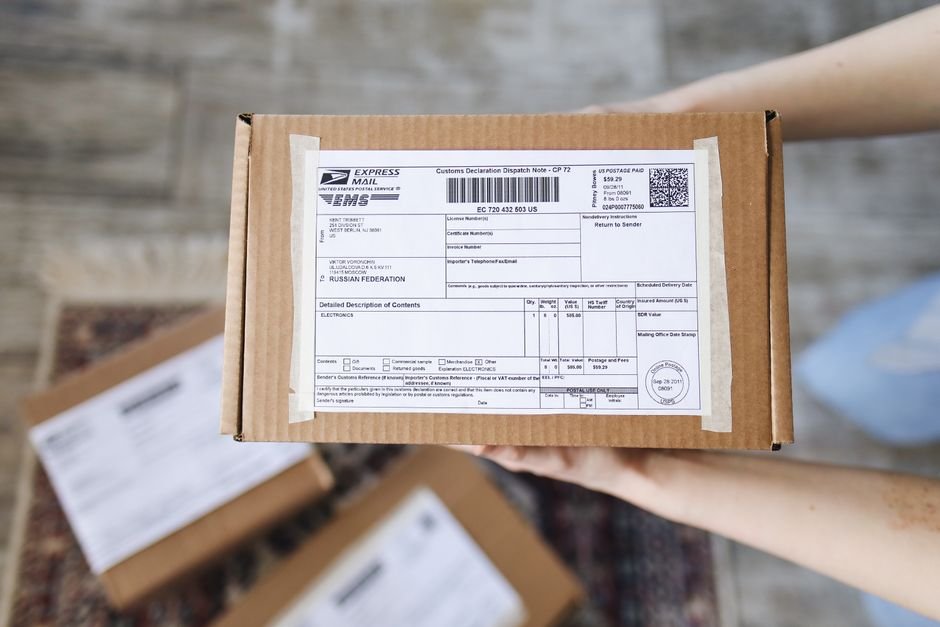
Under DDP terms, the seller side — the Chinese exporter or the forwarder acting on its behalf — arranges US import clearance and pays the duties and taxes. The buyer receives the goods at the door without filing anything with US Customs and Border Protection (CBP). The US customs clearance process that makes this possible follows a fixed sequence: Importer Security Filing (ISF) before the container is loaded in China, vessel arrival and carrier notification, entry summary filing, CBP review and possible exam, duty payment, and cargo release. Each stage has a named responsible party and a paper trail. Importers who know the sequence can tell a shipment moving normally from one that needs intervention — while the container is still on the water, not after it has sat at a terminal for a week.
Who Handles US Customs Clearance on a DDP Shipment: Seller, Buyer, or Broker?
Three roles sit behind a DDP file, and they are easy to conflate. The seller side contracts the freight and owns the commercial terms. The customs broker, licensed by CBP, files the entry, answers CBP queries and transmits the duty payment. The importer of record is the entity whose name appears on the entry summary — that party is legally answerable to CBP for the accuracy of the declaration, whoever prepared the paperwork.
On a DDP shipment, the seller side secures the customs bond and grants the broker a power of attorney to file. The buyer’s job is narrower but not empty: confirm in writing, before the goods ship, who appears as importer of record, which broker is filing, and under whose bond the entry is made. If those three answers live only in a verbal agreement, the buyer has no way to verify clearance status or act quickly when CBP raises a question. Many B2B importers ask for the entry number once it is issued — it is the key to tracking the file inside CBP’s systems.
Formal Entry vs Informal Entry: Which Path Will Your Shipment Take?
CBP routes inbound shipments through two entry types. Informal entry covers low-value consignments under the value line CBP sets in its import regulations. Formal entry applies to shipments above that line and to goods subject to Partner Government Agency oversight — FDA-regulated cosmetics and food-contact items, CPSC-regulated consumer products, FCC-regulated electronics — and many agency-regulated goods follow formal procedures regardless of value.
Verified data: CBP sets the informal entry value line at USD 2,500; shipments above that line require formal entry. Source: U.S. Customs and Border Protection / eCFR 19 CFR §143.22.
The distinction matters operationally. A formal entry requires a customs bond, full entry summary data on CBP Form 7501, and classification under the Harmonized Tariff Schedule for every line. Informal handling is rare for consolidated commercial loads, because most B2B shipments from China clear the value line several times over. For a DDP consolidation of mixed cartons from two or three suppliers headed to an Amazon fulfillment center or a distribution warehouse, plan on the formal path and build the document set for it.
US Customs Clearance Process Steps: From ISF Filing to Cargo Release
The US customs clearance process for a sea freight DDP shipment runs through six steps, in this order.
- ISF filing. The seller side or its broker files the Importer Security Filing — ten data elements covering the manufacturer, seller, buyer, ship-to party, container stuffing location and more — no later than 24 hours before the container is loaded on the vessel at the origin port, as required under CBP’s import security rules.
- Arrival and carrier notification. The vessel reaches the US port and the carrier files arrival and manifest data with CBP, which anchors the shipment to an entry point.
- Entry summary filing. The broker files the entry summary on CBP Form 7501, declaring the HTS classification, customs value, origin and duty computation for each line of goods.
- CBP review. Officers review the entry documents. They may hold the file for document review, request more information on CBP Form 28, or order an X-ray or intensive exam at a Centralized Examination Station.
- Duty payment. The broker transmits the duty payment calculated from the classified tariff lines, including any Section 301 provisions that apply to the goods’ origin and HTS codes.
- Release and delivery. Once CBP releases the cargo, the broker or forwarder arranges the final-mile delivery to the consignee’s address, completing the door-to-door move.
Goods left without an entry for the statutory period can be moved to a General Order warehouse and, eventually, auctioned — one more reason the steps above are sequenced before arrival wherever possible.
Verified data: Unentered cargo may be moved to a General Order warehouse after 15 calendar days. Source: U.S. Customs and Border Protection / eCFR 19 CFR §127.3.
Image: a vertical flowchart of the six clearance steps from ISF filing to cargo release, with the responsible party (seller, broker, or CBP) labeled at each stage.
What Documents Do You Need for DDP Customs Clearance in the USA?
The broker works from a fixed document set:
- Commercial invoice — transaction value, product-level description of the goods, terms of sale
- Packing list — carton-level quantities, weights and dimensions
- Bill of lading or sea waybill — the carrier contract and consignee details
- ISF confirmation — proof the security filing was accepted
- Power of attorney — the importer of record’s authorization for the broker to file
- Customs bond — continuous or single transaction, securing the entry obligations
- Agency paperwork where triggered — prior notice for FDA-regulated food products, for example
Holds concentrate around three failure points. Invoices that disagree with the packing list on quantities or weights draw document review holds. Vague goods descriptions — “parts”, “accessories”, “gift items” — invite CBP Form 28 requests, because officers cannot classify what they cannot identify. Missing or mismatched manufacturer information undermines the ISF data filed weeks earlier. A pre-loading document check at the consolidation stage catches most of this before the container is sealed.
Image: a flat-lay mockup of the core DDP document set (commercial invoice, packing list, bill of lading) styled as a checklist with checkboxes.
What Happens If Your DDP Shipment Gets Held by US Customs?
Holds come in recognizable types, and each follows a different resolution path. A document review hold means CBP wants clearer paperwork; the broker responds with revised or supplementary documents. A CBP Form 28 request is a formal Request for Information, usually about valuation or classification, and it runs on a response deadline — missing it risks a Form 29 determination, which fixes the treatment and can only be contested through protest. A physical exam moves the container to an examination station, where CBP inspects the goods; the broker coordinates the container’s movement and the exam appointment, and the queue at that port sets the pace.
None of these follow a clock anyone can promise in advance. What a buyer on a DDP shipment should expect from the seller side is status visibility: which hold type it is, what the broker has submitted, and what the next checkpoint is. Resolution time depends on the hold type, the port and the completeness of the underlying file — which loops back to document quality at origin.
DDP vs DAP: Who Clears US Customs and Who Pays the Duties?
Both are Incoterms 2020 rules for any mode of transport, and both put the ocean leg on the seller side. The dividing line is the import border.
Under DDP, the seller side clears the goods for import through its own broker, pays the duties and taxes, and delivers to the buyer’s address. Under DAP, the seller delivers to the named place and the buyer clears the goods at import and pays the duties. Unlike FOB, under which risk passes when the goods are placed on board the vessel, DDP and DAP keep risk with the seller side until the goods are placed at the buyer’s disposal at the named destination — the two terms differ in border responsibility, not in who carries the risk at sea.
| Aspect | DDP | DAP |
|---|---|---|
| US import clearance | Seller side, via its broker | Buyer |
| Duties and taxes | Seller side | Buyer |
| Risk transfer point | Goods placed at the buyer’s disposal at the named destination | Same |
| Buyer workload at the border | None | Entry filing, bond, duty payment |
For B2B importers without a US customs presence, DDP removes the border workload entirely. DAP suits buyers who already hold a customs bond and a broker relationship and want the entry filed under their own name.
Ready to Ship DDP to the US?
The sequence holds for every DDP file: ISF before loading, entry on arrival, review, duty payment, release, delivery. Whether a shipment moves through the US customs clearance process cleanly is decided in China — the importer of record named in writing, the bond in place, and documents that match the cartons actually loaded. Send us the cargo details and we will map the route, paperwork and handover.