




In this guide
- What Should You Expect from a China to US West Coast FCL vs LCL Transit Time Comparison?
- How Do FCL vs LCL Transit Times to US West Coast Differ Across the Door-to-Door Timeline?
- What Are the LCL Consolidation and CFS Handling Steps That Can Add Time?
- Which FCL Sailing and Port-to-Door Variables Affect the Actual Delivery Date?
- Do DDP vs DAP Shipping Terms Change FCL vs LCL Clearance and Delivery Timing?
- How Do You Choose Between FCL and LCL for US West Coast Cargo?
- Ready to Plan Your China to US West Coast FCL or LCL Shipment?
- Further reading
- References
What Should You Expect from a China to US West Coast FCL vs LCL Transit Time Comparison?
 For most China to US West Coast lanes, FCL vs LCL transit times diverge most clearly in origin handling and port transfer segments, rather than in core ocean sailing schedules. FCL typically offers a more direct, predictable routing when cargo volume is sufficient to occupy a full standard container without substantial unused space, as the unit remains sealed from origin pickup to final delivery in most cases. LCL remains a practical option for smaller consignments that do not fill a full container, with scheduled consolidation services aligned to regular carrier departures. All schedule comparisons referenced here should be validated against the carrier’s published sailing times, cutoff windows, and port processing metrics for the specific booking date, together with the operating schedule of the CFS handling the consolidation, before commitments are made. The core ocean sailing segment for direct services is nearly identical for both modes, as LCL cargo is loaded into shared containers that travel on the same vessels as dedicated FCL units. Most measurable differences in total door-to-door timing stem from additional handling steps at either end of the LCL journey, as well as variable clearance coordination for consolidated consignments. During peak shipping periods, these gaps may widen as CFS facilities face higher cargo volumes and port processing queues lengthen.
How Do FCL vs LCL Transit Times to US West Coast Differ Across the Door-to-Door Timeline?
 The end-to-end shipping workflow breaks down into eight core segments, with distinct time implications for each mode:
- Booking and cutoff alignment: FCL bookings come with dedicated equipment assignments and terminal cutoff windows tied directly to the scheduled vessel departure. LCL bookings require cargo delivery to an origin CFS by an earlier cutoff, aligned to the warehouse’s consolidation stuffing schedule, to ensure the shared container is ready for terminal delivery.
- Origin handling: FCL cargo is typically loaded directly at the shipper’s facility, sealed, and transported to the marine terminal for export clearance, with no intermediate handling. LCL cargo is unloaded at the CFS, inspected, sorted, and consolidated with other consignments before being loaded into a shared container, adding 25–32 days of processing time in most cases.
- Ocean sailing: For direct services, both FCL and LCL containers follow the same carrier routing and sailing schedule. For transshipment services, both modes face identical wait times at intermediate ports, unless LCL consolidation delays cause the shared container to miss the scheduled sailing.
- US port transfer: After vessel discharge, FCL containers move directly to port storage for customs clearance and pickup. LCL containers are first transported to a designated off-port CFS, where they are queued for deconsolidation and individual cargo sorting; consignees can take delivery only after the container has been deconsolidated, their consignment has been sorted and released, and a destination CFS pickup or delivery slot has been arranged, so the length of this segment follows the CFS deconsolidation queue rather than the vessel schedule.
- Customs clearance: FCL shipments require a single customs entry for one named consignee, with clearance coordinated before or shortly after vessel arrival. LCL shipments require separate entries for each individual consignee, or a consolidated entry filed by the carrier or consolidator, per official U.S. Customs and Border Protection (CBP) guidelines <a href=”https://www.cbp.gov/trade/basic-import-export/entry-types” target=”_blank” rel=”noopener”>CBP entry type guidance</a>.
- Drayage coordination: FCL units are drayed directly from the port to the named destination after release, with no intermediate stops. LCL cargo is either picked up by consignees at the destination CFS or loaded onto local delivery vehicles for final transport after deconsolidation.
- Final delivery: FCL cargo is unloaded at the consignee’s facility before the empty container is returned to the designated depot. LCL cargo is unloaded at the final recipient’s address, with no container return requirement for the consignee.
(Image: Split timeline infographic showing a direct FCL container path and an LCL consolidated path from a China factory to a US West Coast warehouse) Unexpected delays in any segment can shift final delivery dates, but LCL timelines are more vulnerable to cascading delays from issues with other cargo in the shared container, while FCL timelines are primarily impacted by vessel and port-side variables.
What Are the LCL Consolidation and CFS Handling Steps That Can Add Time?
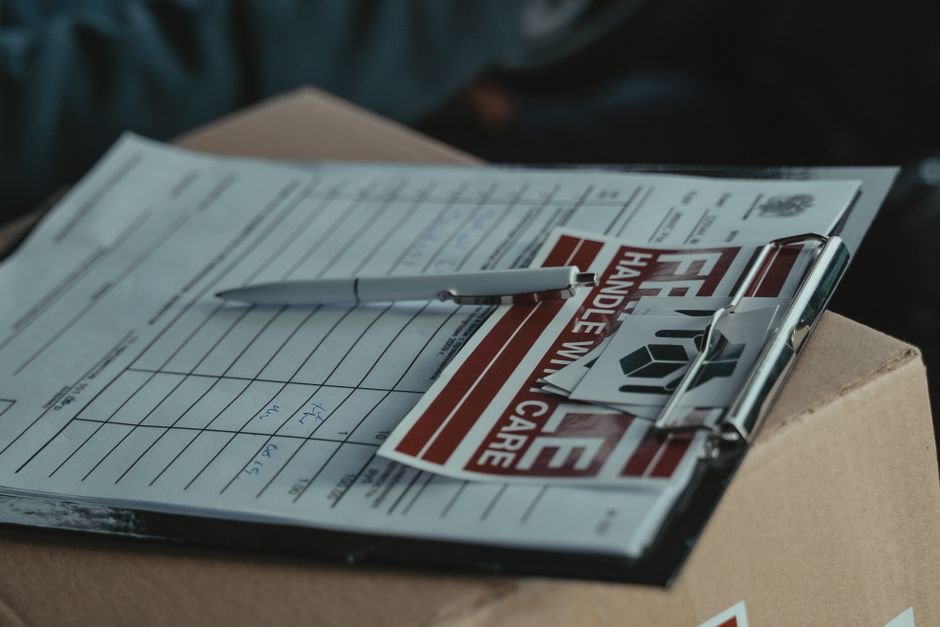 LCL timelines include several mandatory processing steps at origin CFS facilities that do not apply to FCL shipments, each of which introduces potential hold points:
- Cargo receiving and sorting process for China consolidation shipping: Upon arrival at the origin CFS, warehouse staff cross-reference cargo against booking confirmations, purchase orders, and shipping marks to verify quantity, packaging condition, and consignee details. Cargo is then sorted by destination, consignee, and cargo type to streamline later deconsolidation. Discrepancies in shipping marks, documentation, or cargo counts require resolution with the shipper before processing can continue.
- Restricted item screening process for China freight consolidation services: All LCL cargo undergoes screening for prohibited items, dangerous goods, and regulated commodities that require special export permits or packaging. This process follows both Chinese national export control rules and International Maritime Organization (IMO) standards for dangerous goods transport <a href=”https://www.imo.org/en/OurWork/Safety/Pages/DangerousGoods.aspx” target=”_blank” rel=”noopener”>IMO dangerous goods guidelines</a>. Items that fail screening may be seized, returned to the shipper, or require additional certification before they can be loaded.
- Cargo repackaging compliance requirements for China consolidation services: Packaging must meet standards for long-haul ocean transport, including sufficient stacking strength and protection against moisture and impact. Wood packaging materials must meet ISPM 15 standards and bear valid IPPC marks, while dangerous goods require UN-certified packaging. Non-compliant packaging must be repacked before loading, with all changes documented to align with export declaration details.
- Cross-border e-commerce labeling validation: For cargo bound for US e-commerce fulfillment centers, CFS staff verify that all required product and carton labels are present, scannable, and affixed in the correct location to avoid delivery rejection. Missing or damaged labels require reprinting and reapplication before consolidation. These checks align with standard consolidation requirements for US-bound cross-border e-commerce cargo from China.
- Container stuffing and sealing: Sorted and validated cargo is loaded into the shared ocean container using weight distribution and stacking best practices to prevent damage in transit. The container is sealed with a tamper-evident seal, and the seal number is documented on the manifest and bill of lading before the unit is transported to the marine terminal.
- US customs entry preparation: The consolidator files the necessary manifest data with CBP before vessel arrival, with entry types tailored to the cargo value, consignee status, and import program. Errors in entry filings can lead to holds that impact all cargo in the shared container.
(Image: Inside a CFS warehouse, staff receive, sort, screen, label, and load LCL cartons into a shared ocean container) During off-peak periods, these steps follow consistent timelines, but seasonal volume surges can lead to extended queues for screening, sorting, and stuffing, with delays of 25–32 days possible during high-demand windows.
Which FCL Sailing and Port-to-Door Variables Affect the Actual Delivery Date?
FCL timelines are not immune to disruption, with a set of carrier, port, and external variables that can shift actual delivery dates relative to published schedules. These variables should be weighed carefully in any China to US West Coast FCL vs LCL transit time comparison:
- Direct vs transshipment routing: Direct FCL sailings from major Chinese ports including Shanghai, Ningbo, and Yantian to Los Angeles, Long Beach, or Oakland avoid intermediate stops, offering the shortest scheduled ocean transit. Transshipment routes via ports in Northeast Asia or Southeast Asia add wait time at the intermediate port, with schedules more vulnerable to missed connections.
- Sailing frequency: Lanes with multiple weekly direct departures offer more flexibility if a booking is delayed or a sailing is canceled, while lanes with only one or two departures per month carry higher risk of extended delays from missed cutoffs.
- Terminal berth windows: US West Coast ports may experience vessel queuing during peak periods, with wait times for berth space extending across multiple days. Both FCL and LCL vessels are impacted, but FCL containers can be prioritized for pickup immediately after discharge, while LCL units must wait for scheduled CFS delivery slots.
- Customs release timing: FCL cargo that receives pre-arrival clearance can be picked up within hours of vessel discharge, while cargo selected for inspection must be moved to a designated inspection site and cleared before pickup. For LCL units, a single inspection hold on one consignment can delay deconsolidation for all cargo in the container.
- Chassis availability: Drayage providers require specialized chassis to move containers from the port to inland destinations. Periodic chassis shortages at US West Coast ports can delay pickup for both modes, though FCL bookings often receive priority for reserved equipment.
- Drayage distance and route conditions: Cargo bound for warehouses in the immediate Los Angeles or Long Beach area faces shorter drayage times, while cargo bound for inland destinations in Arizona, Nevada, or the Pacific Northwest faces longer transit times, with potential delays from weather, road closures, or traffic.
- Weather and seasonal events: Pacific typhoon season between July and October can delay vessel departures and slow sailing speeds, while winter fog and heavy rain on the US West Coast can disrupt port and drayage operations.
- Blank sailings and capacity adjustments: Carriers may cancel scheduled sailings in response to shifting demand, requiring bookings to be rolled to the next available departure.
- Geopolitical and safety disruptions: Vessel attacks in global chokepoints, port labor actions, and regulatory changes can trigger route adjustments and capacity reallocations that ripple across all major east-west trade lanes, including China to US West Coast services.
(Image: Map of China-to-US-West-Coast shipping routes with an FCL container being drayed from the marine terminal to an inland destination) Schedule reliability metrics for these variables are updated regularly in 25–32 days, allowing shippers to build buffer time into delivery plans as needed.
Do DDP vs DAP Shipping Terms Change FCL vs LCL Clearance and Delivery Timing?
Under Incoterms® 2020 rules, the allocation of customs clearance responsibilities and risk transfer differs between DDP (Delivered Duty Paid) and DAP (Delivered at Place), and these differences can impact FCL vs LCL transit times for China imports. While the risk transfer point is identical for the two rules—when goods are placed at the buyer’s disposal on the arriving means of transport, ready for unloading at the named US destination—the party responsible for import formalities creates distinct timeline dynamics. Under DAP terms, the seller arranges carriage to the named destination, but the buyer holds full responsibility for US import customs clearance, duty payment, and any required import permits. For FCL shipments, the buyer must submit all clearance documentation and obtain release before the vessel arrives to avoid pickup delays. For LCL shipments, individual buyers must file separate entries for their consignments after the cargo arrives at the destination CFS, with variable processing speeds across different filers potentially delaying deconsolidation for the entire container. Under DDP terms, the seller or their appointed DDP freight forwarder in China manages both origin export clearance and US import clearance, with responsibility for all applicable duty payments and import formalities. The forwarder typically submits all clearance documentation before vessel arrival, coordinating with CBP to resolve any issues before the vessel docks. For FCL shipments, this allows for immediate pickup after discharge, with no waiting for buyer-side clearance processing. For LCL shipments, the forwarder files a unified consolidated entry where permitted, aligning clearance for all consignments to reduce delays from disparate filing processes. These dynamics are the core distinction covered in analyses of DDP vs DAP Shipping From China to US: Transit Time and Clearance Differences, as clearance preparedness often accounts for a larger share of avoidable delay than ocean sailing time. DDP arrangements are a core component of china to usa door to door shipping with customs clearance, as the forwarder coordinates all segments from origin pickup to final handover.
How Do You Choose Between FCL and LCL for US West Coast Cargo?
The selection process relies on six core cargo and supply chain factors, outlined in the checklist below:
- Cargo volume and density: FCL is the more streamlined option for goods that occupy 70% or more of a standard container, or for high-density cargo that creates excessive weight per unit when consolidated. LCL is practical for smaller, lower-density consignments that do not approach full container capacity.
- Handling tolerance: FCL minimizes cargo touchpoints, as the container is sealed at origin and only opened for customs inspection or final delivery, making it ideal for fragile, high-value, or easily damaged goods. LCL requires multiple handling steps at origin and destination CFS facilities, creating higher risk of damage or mis-sorting.
- Schedule reliability requirements: FCL offers more predictable timelines for time-sensitive cargo tied to product launches, restock deadlines, or peak sales windows, with fewer variables related to third-party processing. LCL is suited for consignments with flexible delivery windows and no strict arrival deadline.
- Peak season exposure: Shippers moving cargo during traditional pre-holiday peak periods should account for extended CFS backlogs and earlier LCL cutoff windows. FCL capacity may also be tight, but dedicated units avoid the origin consolidation queue.
- Final destination structure: FCL supports direct drayage to a single warehouse or distribution center, with no intermediate stops. LCL aligns with consignments split across multiple recipients, or e-commerce cargo requiring labeling and sortation before final delivery.
- Compliance requirements: Regulated commodities or cargo requiring special certification may be better suited to FCL, as the shipper maintains full control over packaging and documentation throughout the journey.
The following table summarizes key differences across core operational factors:
| Factor | FCL | LCL |
|---|---|---|
| Origin processing | Direct factory loading and terminal delivery; no CFS handling | CFS receiving, sorting, screening, and consolidation into a shared container |
| Direct ocean sailing time | Aligns with published carrier schedule | Identical to FCL for cargo loaded on the same vessel |
| US port processing | Direct pickup after customs release; no intermediate transfer | Container transfer to CFS, deconsolidation, and sorting before release |
| Clearance structure | Single entry for one consignee | Separate entries per consignee or consolidated entry per CBP rules |
| Schedule predictability | Higher, with minimal handoff points | Lower, subject to CFS backlogs and third-party clearance status |
| Primary use case | Full-capacity cargo, fragile/high-value goods, strict delivery deadlines | Small consignments, multiple recipients, e-commerce fulfillment cargo |
FAQ
- Q: Do FCL and LCL use the same vessel schedules from China to US West Coast?
A: For cargo loaded on the same direct sailing, core ocean transit time is identical for both modes, as all containers move aboard the same carrier vessel. Total door-to-door differences come from additional origin and destination handling steps for LCL, not the sailing itself.
- Q: Can a customs hold on one LCL consignment delay other cargo in the same container?
A: Yes. If CBP places a hold on a single consignment in a consolidated container, the entire unit may be held until the hold is resolved, as deconsolidation cannot begin until the container receives full customs release.
- Q: Does DDP service eliminate timing differences between FCL and LCL?
A: DDP streamlines clearance coordination for both modes and reduces avoidable clearance delays, but it does not remove the physical CFS handling and deconsolidation steps required for LCL. FCL still moves directly from port to destination after release.
- Q: How far in advance should bookings be made for peak season departures?
Ready to Plan Your China to US West Coast FCL or LCL Shipment?
Understanding FCL vs LCL transit times helps shippers align mode selection with their operational requirements, but route-specific variables and compliance rules require tailored validation. TrustFreight specializes in door-to-door freight support for small and medium-sized importers, with end-to-end coordination for FCL, LCL, and consolidated e-commerce cargo. Beyond China to US West Coast lanes, the team supports china to netherlands ddp door to door freight, serves as a ddp shipping agent china to poland, and provides tailored schedule comparisons including Air Freight vs International Express From China to EU Transit Time Breakdown, China to UK Sea Freight Transit Times: Peak Season vs Off-Peak Comparison, China to US East Coast All-Water vs Mini Landbridge Transit Time Comparison, and LCL Shipping to Germany: Direct Sailing vs Transshipment Transit Time Differences. Send us the cargo details and we will map the route, paperwork and handover.
Further reading
References
- U.S. Customs and Border Protection — Official US import regulations and duty rates
- WCO — World Customs Organization — Global customs standards and HS classification