










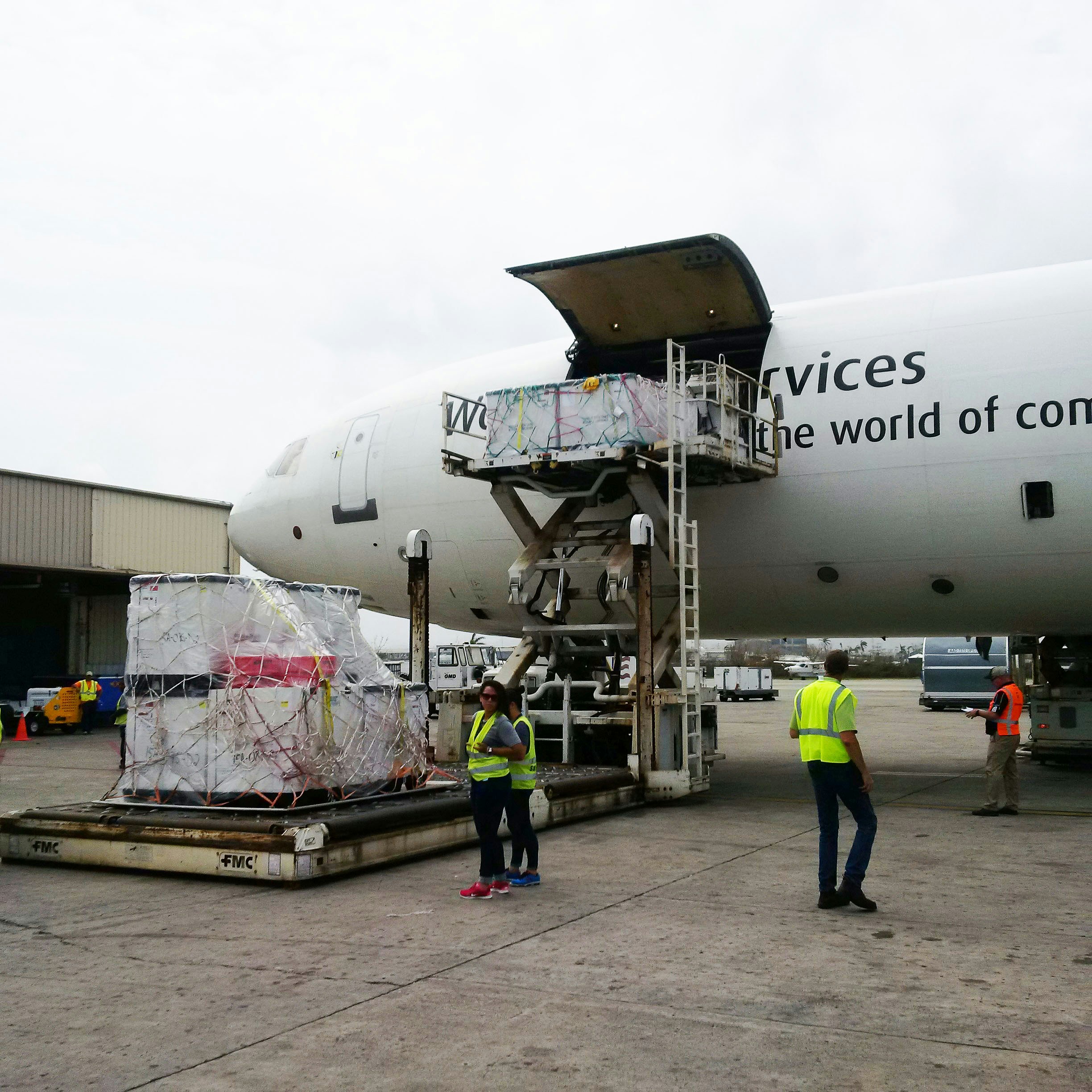
Understanding Oversized Goods
When discussing the shipping of oversized goods from China to the UK, it is essential to establish a clear definition of what constitutes an oversized item. Generally, oversized goods refer to products that exceed standard dimensional and weight limits. These limitations can vary depending on the shipping company and the mode of transport, but they typically encompass items that are unusually large, heavy, or both.
In terms of dimensions, many freight carriers classify oversized goods as those that exceed specific measurements, such as 120 inches (10 feet) in length, 60 inches (5 feet) in height, or 30 inches in width. On the other hand, weight classifications can differ significantly, but items weighing over 150 pounds may also be categorized as oversized. Combining these factors, it is crucial for businesses involved in international trade to be aware of the limitations imposed by shipping regulations.
Common examples of oversized items that might require special shipping arrangements include large machinery, industrial equipment, furniture, and construction materials. For instance, a commercial-grade lathe, a heavy-duty forklift, or a full-sized dining room set are all examples of goods that might not fit standard shipping constraints. Furthermore, oversized packaged goods like large art pieces, vehicles, or prefabricated structures can also be challenging to transport due to their bulk and weight.
Shipping oversized goods from China to the UK necessitates a comprehensive understanding of the logistical considerations involved, including the need for permits, specialized handling and transport methods, and potential additional fees. Businesses must remain vigilant to ensure compliance with local and international shipping regulations, facilitating seamless transit while minimizing delays. By recognizing the characteristics and requirements of oversized goods, companies can better prepare themselves for efficient logistics management in their shipping endeavors.
Choosing the Right Shipping Method
When it comes to shipping oversized goods from China to the UK, selecting the appropriate shipping method plays a crucial role in ensuring the efficiency and cost-effectiveness of the operation. The three primary methods available for transporting oversized items are air freight, sea freight, and road transport. Each method has its unique advantages and drawbacks, affecting factors such as transit time, cost, and logistics.
Air freight is often considered the fastest way to ship oversized goods. This method is particularly advantageous for time-sensitive shipments, as it significantly reduces transit times. Additionally, air freight is less susceptible to disruptions compared to other transport methods. However, this speed comes at a higher cost, making it less viable for those on a budget. Furthermore, air freight has weight and size limitations that may not accommodate all types of oversized goods.
On the other hand, sea freight is widely regarded as the most economical shipping method for oversized items. Shipping by sea is capable of handling extremely large consignments, making it suitable for heavy machinery and bulk freight. The main drawback of this method is the extended transit time, which can range from several weeks to months, depending on the shipping route and scheduling. Nonetheless, for businesses looking to minimize costs, sea freight remains an attractive option, despite the longer wait.
Road transport is another viable option for shipping oversized goods, particularly for shorter distances or when coordination with local logistics is necessary. This method allows for greater flexibility in pick-ups and deliveries. However, similar to air freight, there are limitations on size and weight, and road transport is typically slower than both air and sea options for long-distance shipping.
In determining the right shipping method for oversized goods from China to the UK, businesses should weigh the speed against cost, considering their specific needs and timelines. A thorough assessment of all factors will ultimately aid in making the most informed choice to facilitate smooth transportation of oversized items.
Packaging Considerations for Oversized Items
Packaging oversized items for shipping is a critical process that directly influences the safety and integrity of goods during transit. Proper packaging can prevent damage and ensure that items reach their destination in optimal condition. There are several best practices to follow when packaging oversized goods, beginning with the selection of suitable materials.
The choice of materials plays a significant role in the packaging of oversized goods. Strong, durable boxes made from double-wall cardboard or reinforced wooden crates are advisable, depending on the weight and fragility of the item. Additionally, plastic or waterproof materials can provide protection against moisture, which is crucial during long-haul shipping. For items with sharp edges or fragile components, using corner protectors or foam inserts is essential to prevent any potential damage during movement.
Cushioning is another critical element in the packaging process. It is vital to use appropriate cushioning materials such as bubble wrap, foam sheets, or packing peanuts to absorb shock and prevent movement within the box. Ensuring there is sufficient cushioning on all sides of the item will mitigate the risk of damage from impacts or vibrations. Packing the item tightly and securely helps maintain stability and eliminates shifting that could lead to breakage.
Moreover, securing oversized items within their packaging is essential for safe transport. This can be achieved through the use of strapping, stretch film, or ties to keep the items firmly in place. Properly securing will not only protect the item but will also help to keep the entire shipment intact during transit. Make sure to label the packages clearly, indicating handling instructions and noting any fragile components to ensure careful handling during the shipping process.
In conclusion, careful consideration of packaging methods is necessary when shipping oversized goods to minimize the risk of damage. By using the right materials, employing effective cushioning techniques, and securing items properly, businesses can enhance the safety and reliability of their shipping operations.
Customs and Import Regulations
Shipping oversized goods from China to the UK requires a thorough understanding of customs clearance processes and the associated regulations. When transporting large items, it is crucial to be aware of the documentation and tariffs that apply to ensure a smooth importation process.
First and foremost, the required documentation for customs clearance typically includes a Commercial Invoice, Packing List, and Bill of Lading. The Commercial Invoice serves as a detailed description of the goods being imported, including their value and quantity. The Packing List accompanies the shipment and provides specifics about how the items are packed, while the Bill of Lading is essential for both the shipping company and customs, indicating the receipt of the goods for transport.
In addition to these primary documents, one may also need to provide specific licenses or certificates depending on the nature of the goods. For instance, items that are subject to restrictions might require additional permits that demonstrate compliance with safety and regulatory standards. It is advisable to check the UK government’s guidelines or consult with a customs broker to ensure all necessary documentation is prepared accordingly.
Regarding tariffs, oversized goods may attract different duty rates based on their classification under the UK trade tariff schedule. It is important to accurately classify the goods as misclassification can lead to significant fines or delays. Import duties and VAT are typically calculated based on the value of the item, and this means knowing the precise value is essential for cost estimation.
Lastly, understanding the broader customs regulations is essential. The UK has specific rules regarding the importation of oversized items that can involve compliance with health, safety, and environmental standards. For instance, certain products may be subject to inspections to ensure they meet UK guidelines.
By being adequately prepared and informed about customs and import regulations, businesses can effectively manage the complexities associated with shipping oversized goods from China to the UK, ensuring smoother transactions and compliance with legal requirements.
Calculating Shipping Costs
When it comes to shipping oversized goods from China to the UK, understanding the factors that influence shipping costs is essential for budgeting and planning. Several elements come into play when calculating these costs, including weight, dimensions, distance, and the chosen shipping method. Each of these factors can significantly affect the overall price of shipping to ensure that shipments arrive at their destination efficiently.
Firstly, the weight of the item being shipped is a critical determinant of shipping costs. Freight companies often use a combination of actual weight and dimensional weight (which considers the volume of the cargo) to ascertain the most accurate pricing. For oversized goods, the latter is frequently the deciding factor, as these items can take up significant space in cargo vessels or on trucks.
Secondly, the dimensions of the shipment play an equally vital role. Many shipping companies use a dimensional weight formula to calculate pricing based on volume. Therefore, it is crucial to measure the length, width, and height of the oversized goods accurately. Providing these precise measurements can avoid unexpected costs and ensure that freight companies can optimize their shipping routes.
Distance is another influential factor in shipping costs. The farther the destination, the higher the freight charges are likely to be. Shipping routes directly affect transit times and costs, with longer distances generally leading to increased prices. Therefore, understanding the shipping route from China to the UK can help in identifying the most cost-effective options.
Lastly, the choice of shipping method can drastically alter shipping costs. Options may include air freight, ocean freight, or even rail transport, each with its pros and cons regarding speed and expense. For oversized goods, ocean freight is typically the most economical option for international transportation, although it may involve longer transit times compared to air freight.
To secure the best rates, it is recommended to obtain quotes from several freight companies. When doing so, provide detailed information about the shipment, including dimensions, weight, and shipping method preference. This approach ensures that you receive accurate quotes, allowing for a more straightforward comparison of services and prices.
Selecting a Freight Forwarder
When it comes to shipping oversized goods from China to the UK, selecting the right freight forwarder is a critical step in ensuring a smooth transportation process. Freight forwarders act as intermediaries between shippers and carriers, facilitating the entire logistics operation for oversized shipments. They offer a variety of services, including booking cargo space, negotiating freight rates, and managing the complexities of customs clearance.
Choosing a reliable freight forwarder involves several key considerations. First, assess their experience with oversized goods specifically, as handling large shipments requires specialized knowledge and equipment. Look for forwarders who have a proven track record in managing similar shipments, which often include cargo such as machinery, vehicles, or industrial equipment. A forwarder’s understanding of the unique challenges associated with oversized freight is invaluable in avoiding potential delays or complications.
Secondly, evaluate the services provided by the freight forwarder. Ensure they offer comprehensive solutions that include not just transportation, but also warehousing, packing, and documentation assistance. A reputable forwarder will have established relationships with multiple carriers, allowing them to provide flexible shipping options that cater to your specific requirements. Additionally, their ability to navigate customs regulations can significantly streamline the import process, reducing the risk of encountering unexpected tariffs or delays.
Furthermore, communication is essential when selecting a freight forwarder. Choose one that maintains open lines of communication and provides timely updates throughout the shipping process. This is particularly important with oversized goods, as their transport may involve various logistical hurdles. A forwarder who proactively addresses potential issues and communicates effectively can greatly enhance your shipping experience.
In conclusion, selecting the right freight forwarder is paramount when shipping oversized goods from China to the UK. By considering their experience, range of services, and communication practices, shippers can ensure a successful and efficient shipping process that meets their needs.
Insurance Options for Oversized Goods
When shipping oversized goods from China to the UK, the importance of insuring these shipments cannot be overstated. Given the potential risks associated with transporting large items, such as damage during transit or loss, selecting the right insurance coverage is essential. It safeguards the investment and ensures peace of mind throughout the shipping process.
There are several types of insurance options available for oversized shipments. One common type is marine cargo insurance, which typically covers losses incurred during transit over water. This is particularly relevant when shipping goods internationally. Additionally, inland transit insurance may be applicable for the overland segments of the journey, ensuring that the items are protected while being transported from the port to the final destination.
Another option is all-risk insurance, which provides extensive coverage for various types of damage or loss. This comprehensive policy can encompass a broad range of risks, from physical damage caused by accidents to theft. Alternatively, named perils insurance covers specific risks explicitly listed in the policy, which can be more limited but may better suit specific needs. It is crucial for shippers to understand the differences between these policies to choose the most appropriate form of coverage for their oversized goods.
Determining adequate coverage for high-value items is crucial in minimizing potential financial loss. Factors to consider include the total value of the goods, shipping routes, and the potential hazards associated with transportation. Assessing these elements allows shippers to calculate the level of insurance needed effectively. Engaging with an experienced freight forwarder can provide valuable insights into the most suitable insurance options, ensuring the protection of oversized shipments throughout their journey.
Tracking Your Shipment
Tracking oversized shipments during transit is a crucial aspect of logistics management, ensuring that cargo is monitored effectively from origin to destination. With the increasing volume of oversized goods being shipped from China to the UK, leveraging various tools and methods for tracking has become necessary for businesses. Many logistics companies offer dedicated online tracking systems that facilitate real-time updates on shipment status.
One of the most common tools used for this purpose is an online shipment tracking portal. Most logistics providers have robust platforms that allow customers to enter their invoice number or tracking code to access detailed information about their cargo. This information typically includes the current status of the shipment, its location, and estimated delivery times. Additionally, these platforms may provide notifications and alerts regarding any potential delays, ensuring that businesses can adapt their plans accordingly.
Another method to track oversized shipments involves the use of GPS technology. Many modern shipping containers and trucks are equipped with GPS devices that send real-time location data back to the logistics company. This technology not only helps logistics firms monitor their fleet but also allows customers to receive precise location information about their oversized goods. The integration of GPS tracking into shipment monitoring enhances transparency and facilitates better communication between the shipper and receiver.
Furthermore, some logistics companies offer mobile applications that enable users to track shipments on-the-go. These user-friendly apps provide quick access to shipment details, push notifications about changes in delivery status, and direct communication channels with customer support representatives. Users can manage their shipments more efficiently and stay informed throughout the shipping process.
Incorporating these tools and methods into the shipment tracking process ensures that oversized goods are not only monitored effectively but also delivered in a timely manner. As the logistics industry evolves, adopting innovative tracking solutions will become increasingly important to meet customer expectations and maintain operational efficiency.
What to Do Upon Arrival in the UK
When oversized goods arrive in the UK, it is crucial to follow a systematic procedure to ensure compliance with local regulations and smooth transportation to the final destination. The first step upon arrival is conducting a thorough inspection of the shipment. This entails checking for any visible damages, verifying the quantity against the shipping documents, and ensuring that the items match the specifications provided in the order. Immediate reporting of any discrepancies or damages is vital, as it may affect the claims process.
After the inspection, the next critical phase is to manage the customs clearance process. Engaging a reputable customs broker is advisable, especially for oversized cargo, as they possess the expertise to navigate the complexities involved. They can assist in filing the appropriate customs declarations and ensuring that all duties and taxes are properly paid. It is essential to have all necessary documentation, including the bill of lading, invoices, and packing lists, readily available for customs inspection to prevent delays.
Once customs clearance is achieved, the focus shifts to delivery logistics. The logistics provider should be informed about the specific requirements relating to oversized goods. This might include special handling equipment or vehicles that can accommodate the dimensions of the shipment. Planning the delivery route is also crucial to circumvent potential obstacles, such as low bridges or narrow streets. Coordination with the final destination is necessary to ensure that unloading and setup can occur without delay.
In conclusion, managing shipments of oversized goods from importation to delivery involves meticulous planning and execution. From conducting inspections to navigating customs and organizing delivery logistics, each step is integral to the successful integration of these goods into the UK market.