










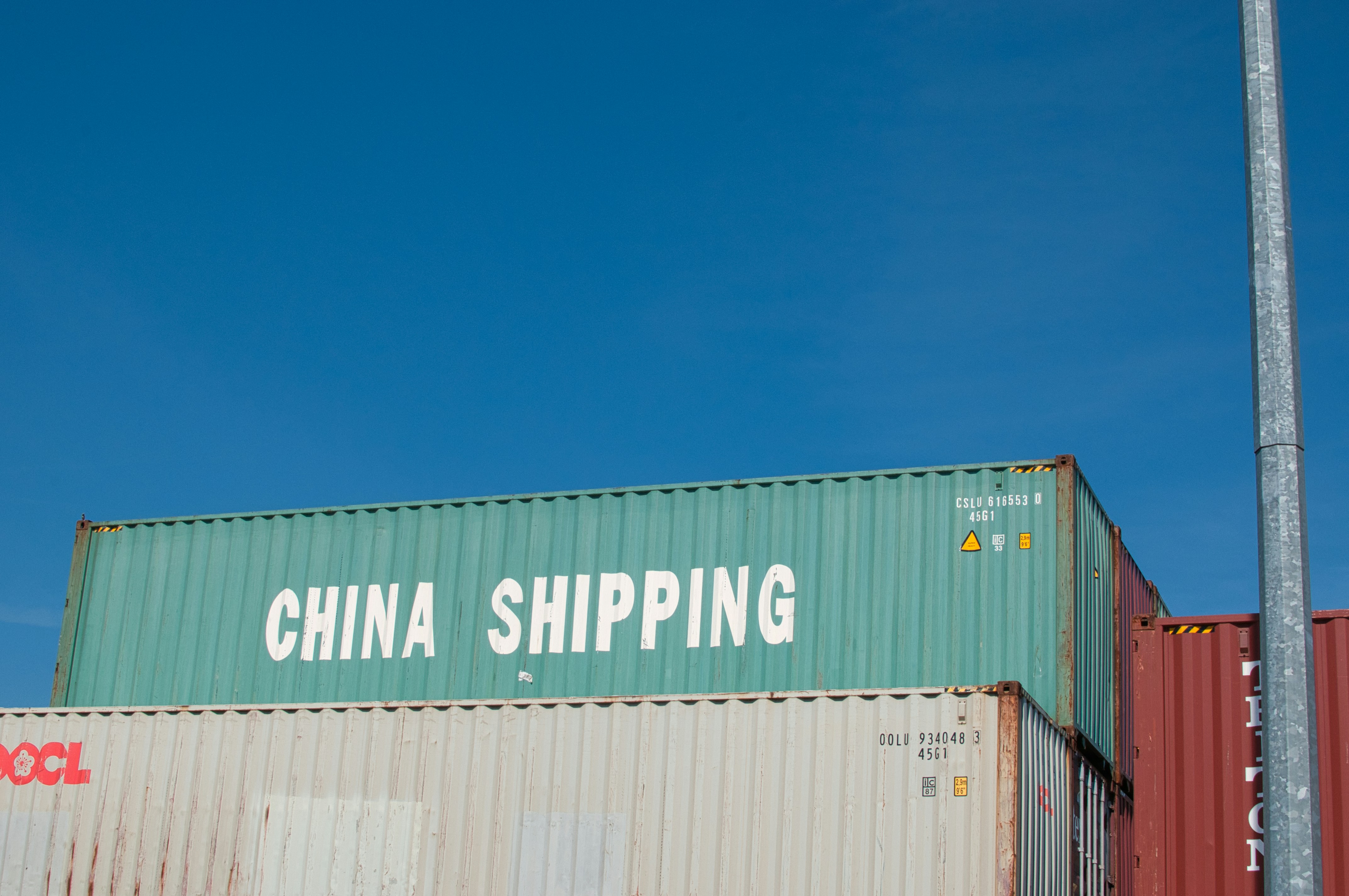
Overview of Door-to-Door Services from China to Iraq
Door-to-door services in the context of shipping and logistics refer to a comprehensive transportation approach that allows goods to be picked up from one location and delivered directly to the final destination, eliminating the need for intermediaries. This service is particularly relevant for businesses engaging in trade between nations, such as China and Iraq. Utilizing door-to-door logistics can significantly enhance the efficiency of the shipping process by simplifying the complexities involved in international freight.
For traders, the benefits of iraq ddp (Delivery Duty Paid) service are manifold. This freight method ensures that all costs, including import duties, taxes, and transportation fees, are settled before the goods reach the buyer. It streamlines the supply chain process, providing businesses with clarity on total logistics expenses. By utilizing this service, companies can ensure timely delivery of their products, fostering a reliable supply chain that builds customer trust.
China-iraq air freight, another critical component of these door-to-door services, offers swift transport options, that are essential for urgent shipments. Air freight not only reduces transit times compared to sea freight but also enhances the security of the cargo due to the controlled environment airplanes provide. When combined with ground transportation services, air freight creates a seamless logistics solution that addresses the diverse needs of businesses. The comprehensive nature of these services allows businesses to focus on their core operations, leaving the logistics complexities to specialists.
In summary, the door-to-door services between China and Iraq, inclusive of iraq ddp and china-iraq air freight, present a vital mode of transport for businesses. They offer an effective approach to facilitate international trade, ensuring goods are transported directly from seller to buyer with minimal hassle, thereby optimizing the overall trading experience between these two countries.
Key Components of Sea and Air Shipping
When exploring the logistics between China and Iraq, particularly focusing on iraq ddp shipping options, it is essential to understand the fundamental components of both sea and air shipping. Each mode has its unique characteristics that cater to varying needs of businesses and importers.
Sea shipping is often regarded as the backbone of international freight due to its ability to transport large volumes of goods at comparatively lower costs. The process typically involves the use of container ships that can carry substantial quantities, making it an ideal choice for bulk shipments. One of the primary benefits of sea freight is its cost-effectiveness, especially for non-urgent deliveries. However, it does come with its drawbacks, such as longer transit times and potential delays caused by weather conditions or port congestion. This makes sea shipping less suitable for time-sensitive consignments.
In contrast, china‑iraq air freight offers a much faster alternative for transporting goods, typically taking only a few days to reach the destination. This is particularly advantageous for businesses dealing with perishable items or high-demand products that require prompt delivery. While air freight is generally more expensive than its sea counterpart, it certainly addresses the need for speed and reliability. However, it is important to note that air shipping may be limited by weight restrictions and the nature of goods transported, which can occasionally lead to challenges in logistics management.
Ultimately, the choice between sea and air shipping should consider various factors including cost, urgency, and the type of goods being transported. Understanding these key components can help businesses in China and Iraq make informed decisions based on their specific logistical needs, optimizing their supply chain for efficiency and effectiveness.
Lead Times for Shipping from China to Iraq
The logistics of shipping goods from China to Iraq involve understanding the lead times associated with both sea and air freight services. These timelines can vary significantly based on a variety of factors, including the chosen route, the speed of customs clearance, and even seasonal fluctuations in demand and traffic.
For china-iraq air freight, average lead times generally range from 5 to 10 days. This rapid transit option is particularly advantageous for businesses needing to send time-sensitive goods. However, the actual delivery time may be influenced by flight availability, airport congestion, and any required customs procedures. Documentation issues or inspections can also lead to unanticipated delays, so it is crucial for shippers to ensure all paperwork is in order and complies with regulations.
On the other hand, sea freight services typically present a longer lead time, averaging between 20 to 30 days. Such shipping routes may offer competitive rates, making them suitable for larger shipments or goods that are not urgently needed. However, like air freight, sea freight lead times are also subject to several impacting factors. These can include the specific maritime route taken, potential weather delays, port congestion, and the efficiency of both loading and unloading processes. Furthermore, seasonal variations can also affect shipping timelines, as peak periods may see increased volumes of cargo that can lead to delays.
In summary, when considering iraq ddp shipments, it’s essential for businesses to factor in these lead times and be adaptable to the various elements that can influence the shipping process. Proper planning can mitigate risks associated with unforeseen delays, allowing for a smoother and more efficient delivery experience.
Understanding Customs Rules for China to Iraq Shipments
The customs regulations governing the import and export of goods between China and Iraq are critical for businesses engaging in iraq ddp and china‑iraq air freight services. Knowledge of these regulations can significantly streamline the shipping process and minimize delays.
One of the primary documents required for smooth customs clearance is the commercial invoice, which must detail the nature and value of the goods being shipped. Alongside the invoice, an export license may also be necessary, depending on the type of goods being imported or exported. Specific goods, particularly those that are sensitive or controlled, will require additional permits to comply with both Chinese and Iraqi laws.
Businesses must also be aware of the tariffs and taxes applicable during the customs process. Iraq imposes various tariffs based on the type of goods, which can significantly affect the overall cost of shipment. It is advisable for companies to consult a customs broker or logistics expert who can provide insight into these fees and help navigate the complexities of tariffs and duties.
Compliance with regulations is non-negotiable; failure to adhere can result in customs penalties or the seizure of goods. Therefore, maintaining proper records and ensuring that all documentation is accurate is essential. This facilitates not only compliance but also aids in expediting the customs clearance process when utilizing services such as iraq ddp.
Lastly, businesses must keep abreast of any changes in trade agreements or customs regulations that may affect shipments between China and Iraq. Keeping updated on these aspects can help businesses adapt to the ever-changing landscape of international trade, ensuring they remain competitive and compliant in their shipping practices.
Acceptable Cargo Types for Transport
When it comes to iraq ddp logistics, understanding the types of cargo that can be shipped from China to Iraq through air and sea transport is crucial. Different categories of freight have unique requirements, restrictions, and handling processes. In this section, we will categorize the acceptable cargo types, which include general cargo, hazardous materials, and perishable goods.
General cargo encompasses a wide range of items that do not fall under specialized categories. This includes manufactured products, machinery, textiles, and electronics. Since this type of cargo is less restricted, it is the most frequently transported category when utilizing china‑iraq air freight services. When shipping general cargo, it is essential to ensure that items comply with both Chinese and Iraqi regulations to avoid any delays or penalties.
Hazardous materials present a more complex case. These substances can include chemicals, flammable materials, or toxic agents that require special handling and packaging. When arranging for transport under iraq ddp, shippers must adhere to international safety and environmental guidelines. Proper labeling, documentation, and compliance with specific handling procedures are necessary to ensure safe transportation. Additionally, due to the potential risks associated with such cargo, these shipments are typically subject to stricter regulations, and not all freight service providers may accept them.
Perishable goods, such as food items, pharmaceuticals, and other temperature-sensitive products, also require special provisions when transported from China to Iraq. These items must be shipped under controlled conditions to maintain their integrity and quality. Air freight is often the preferred method for perishable goods due to the speed of transit, minimizing any spoilage risks. It is vital that all stakeholders understand the logistics involved in transporting these items to ensure they meet both the health and safety standards set by both nations.
In conclusion, categorizing cargo types is essential for seamless logistics management when shipping from China to Iraq. By being aware of the specific requirements and limitations related to general cargo, hazardous materials, and perishable goods, shippers can make informed decisions and enhance the success of their international freight endeavors.
Cost Factors in Door-to-Door Services
When considering iraq ddp (Delivered Duty Paid) and china-iraq air freight services, it is crucial to understand the various cost components involved in shipping. The overall expenses can be broken down into several key factors that businesses must evaluate to effectively budget for their logistics needs.
First and foremost, shipping fees represent a significant portion of the total costs. These fees vary between sea and air freight services, with air freight generally being more expensive due to the faster transit times. When shipping goods from China to Iraq, businesses should compare rates from multiple freight forwarders to ensure they are receiving competitive pricing. Additionally, sea freight may involve per cubic meter or weight-based charges, whereas air freight typically charges per kilogram.
Handling charges are another essential cost factor in door-to-door services. These charges cover the labor and equipment needed to move goods at various points during the shipping process, including loading, unloading, and storage. Handling fees tend to vary significantly based on the complexity and volume of the shipment, making it necessary for businesses to understand how these charges affect their overall logistics budget.
Customs duties also play a pivotal role in determining the cost of shipping. Depending on the nature of the goods, businesses may incur tariffs and taxes upon arrival in Iraq. It is important for companies to familiarize themselves with Iraq’s customs regulations to anticipate these costs accurately. Furthermore, working with a reliable customs broker can help streamline the clearance process and mitigate unexpected delays or additional fees.
Finally, potential additional costs like insurance, storage fees, and peak season surcharges should not be overlooked. These fees can arise unexpectedly and impact the overall logistics budget. Businesses engaged in iraq ddp services should prepare for these contingencies by asking their freight forwarders about all possible costs involved in the shipping process to avoid any surprises.
Benefits of Using Professional Shipping Services
Utilizing professional door-to-door shipping services, especially for businesses involved in the China-Iraq air freight sector, offers an array of advantages that can significantly enhance operational efficiency and reliability. One of the primary advantages is the enhanced reliability of logistics operations. Companies that specialize in iraq ddp services ensure that shipments are tracked meticulously throughout the entire delivery process. This not only minimizes delays but also provides clients with real-time updates, thus fostering trust and accountability.
Moreover, efficiency is markedly improved when utilizing professional shipping services. Experts in the field possess in-depth knowledge of shipping regulations, customs procedures, and the best routing options to minimize transit time and costs. This expertise translates into streamlined operations where shipments are handled with the utmost care and precision, ultimately reducing the chances of damage or loss.
Additionally, engaging a professional logistics provider affords peace of mind to businesses shipping goods internationally. These companies often have dedicated customer service teams ready to assist with any queries or issues that may arise during transit. Whether it’s navigating complex international shipping regulations or addressing unexpected challenges, having experienced professionals manage logistics allows companies to focus on their core operations.
Furthermore, the scalability of such services is particularly beneficial for companies looking to expand their market reach. Established shipping firms can adapt to varying shipment volumes, which is vital for businesses experiencing fluctuations in demand. Thus, opting for professional shipping services not only improves shipping outcomes but also supports business growth and adaptability in an evolving market.
Overall, the collective benefits of reliability, efficiency, and the assurance provided by experienced logistics support make professional door-to-door shipping services an indispensable asset for companies involved in the china‑iraq air freight landscape.
Challenges Faced in China to Iraq Shipping
The international shipping landscape between China and Iraq, particularly regarding door-to-door services, presents various challenges that businesses must navigate. One significant issue is the potential for delays in transit times. Factors such as weather conditions, logistical disruptions, and increased demand during peak shipping periods can result in prolonged delivery schedules. Such delays can adversely affect businesses relying on timely shipments for their operations and customer commitments.
Another critical challenge is customs complications. The complexity of international trade regulations and import/export documentation can lead to significant hurdles for shipments traveling from China to Iraq. Customs clearance procedures may vary drastically between countries, with differing requirements that require deep understanding and vigilance. Inadequate documentation or misunderstandings about tariffs and duties can lead to considerable delays and unexpected costs, complicating the overall shipping process.
Additionally, communication barriers between logistics partners can exacerbate these challenges. The reliance on clear communication is paramount in ensuring the smooth execution of door-to-door services. Language differences and varying business practices can hinder effective collaboration, making it difficult for businesses to stay informed about shipment status or solve emerging issues promptly. Businesses must establish reliable channels for communication to mitigate misinterpretations and enhance cooperation among all parties involved.
It is essential for businesses engaging in iraq ddp solutions to anticipate these potential challenges. By carefully planning their logistics strategies and working closely with experienced partners in the china‑iraq air freight sector, companies can better navigate the complexities of international shipping. Emphasizing proactive risk management, continuous monitoring, and effective communication can help fortify the door-to-door shipping process, ensuring that businesses overcome these common hurdles successfully.
Future Trends in Shipping Services between China and Iraq
The logistics and shipping landscape is constantly evolving, influenced by technological advancements, globalization, and regulatory shifts. As the demand for efficient iraq ddp (Delivered Duty Paid) solutions grows between countries, including China and Iraq, it is essential to examine the trends that will shape the future of these services.
One notable trend is the increasing integration of technology in logistics operations. Innovations such as blockchain technology promise enhanced transparency and security in shipping processes. By enabling real-time tracking of shipments, stakeholders can benefit from improved communication and reliability, crucial in maintaining the integrity of china-iraq air freight. This technological shift not only streamlines operations but also fosters trust among businesses and consumers.
Moreover, the rise of automation and artificial intelligence (AI) is likely to transform warehouse management and logistics planning. Automated systems can optimize inventory management, reduce human error, and increase efficiency in handling shipments. As logistics providers incorporate these technologies, the speed and reliability of door-to-door services between China and Iraq will likely improve significantly.
Additionally, the regulatory environment surrounding international trade is undergoing changes that could impact shipping operations. As nations strive to enhance trade relationships, harmonizing customs regulations can facilitate smoother transactions, thereby benefiting iraq ddp offerings. Policymakers may introduce incentives for companies that adopt green practices, further influencing shipping methods and costs.
In conclusion, the future of shipping services between China and Iraq will be shaped by emerging trends in technology and regulation. As the logistics sector adapts to these changes, businesses can expect enhanced efficiency and greater reliability in door-to-door services, including china-iraq air freight. Awareness of these developments is essential for stakeholders aiming to thrive in a competitive market.