










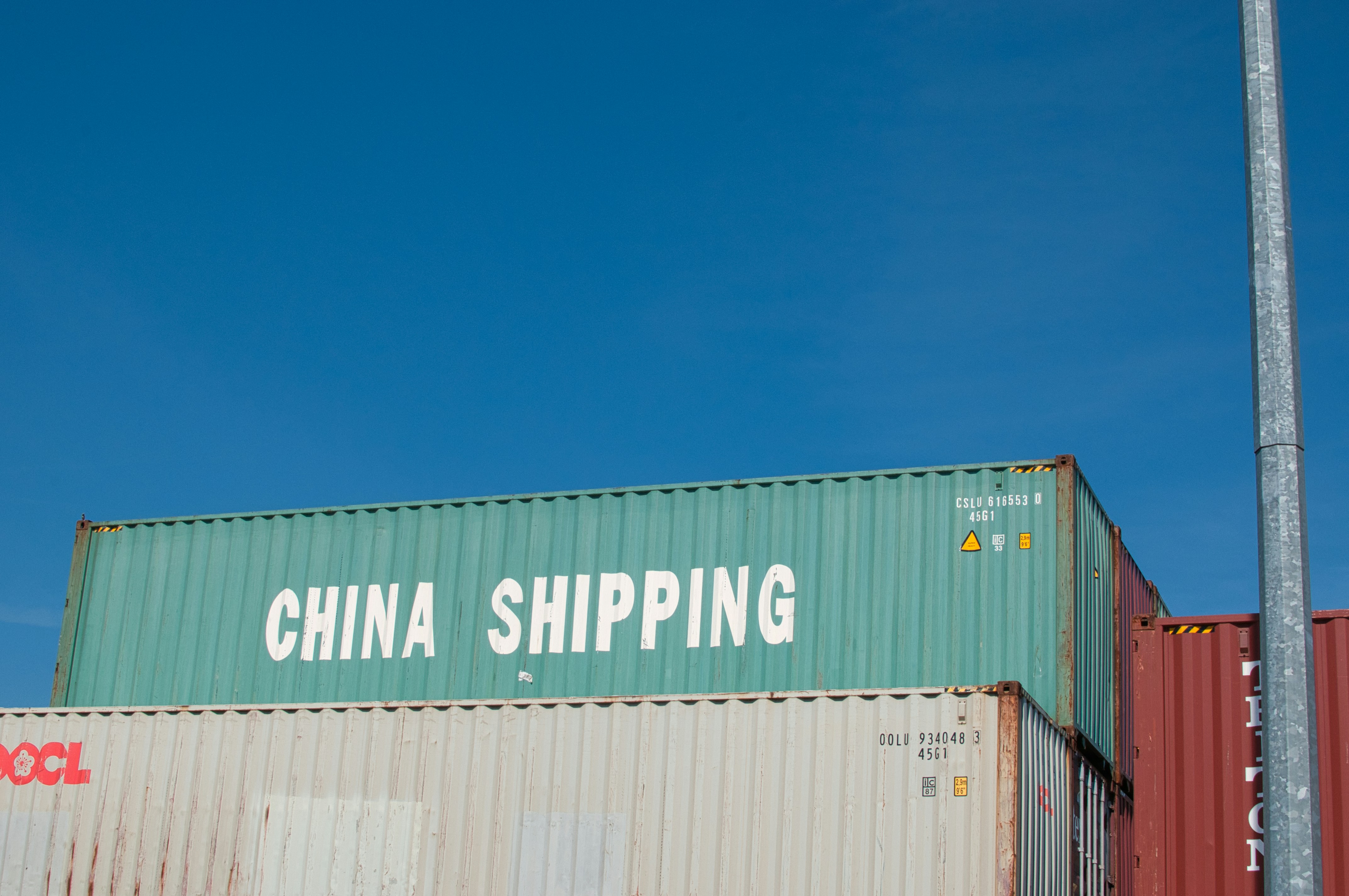
Understanding Cross-Border Shipping Basics
Cross-border shipping refers to the transport of goods across international borders, a crucial component of global trade. This process involves several steps that ensure the timely and efficient transfer of products from one country to another. In the context of shipping goods purchased from China to the United States, it is essential to grasp both the logistical and regulatory frameworks that govern these activities.
One of the fundamental aspects of cross-border shipping is the choice of transportation mode. Commonly used methods include air freight, sea freight, and land transport. Air freight is known for its speed, making it ideal for urgent shipments, albeit at a higher cost. Conversely, sea freight, while slower, is often more economical for large volumes of goods. Understanding the differences between these modes is critical for businesses deciding how best to manage their logistics.
The shipping process for international transactions differs significantly from domestic shipping. When shipping goods internationally, customs clearance becomes a pivotal step. This process includes the classification of goods, payment of duties and taxes, and adherence to the regulations of both the exporting and importing countries. Failure to navigate these requirements can lead to delays, additional costs, and even confiscation of goods.
Moreover, documentation plays a vital role in cross-border shipping. Essential documents include the commercial invoice, bill of lading, and certificates of origin. Each of these documents serves a specific purpose and must be prepared accurately to facilitate smooth transit through customs.
In conclusion, understanding the basics of cross-border shipping is fundamental for any business involved in the international procurement of goods. By familiarizing oneself with the various modes of transport, customs processes, and necessary documentation, companies can optimize their shipping strategies and ensure compliance with international regulations.
Choosing the Right Shipping Method
When it comes to transporting goods purchased from China to the United States, selecting the most suitable shipping method is crucial for ensuring timely delivery and cost efficiency. Three primary options to consider are air freight, sea freight, and express services, each with its distinct advantages and disadvantages.
Air freight is often the fastest method for shipping goods. This option is ideal for urgent shipments where delivery speed is paramount. Typically, goods shipped via air can arrive in just a few days. However, this speed comes at a higher cost, making air freight less economical for larger shipments or less time-sensitive products. Businesses should weigh the urgency of their shipments against the elevated costs associated with air transport.
Sea freight, on the other hand, is a more economical choice, particularly for bulk shipments. While this method takes longer, often ranging from several days to weeks depending on the departure and arrival ports, the lower costs associated with sea freight make it a popular option for businesses looking to reduce shipping expenses. It is important to note that sea freight may involve additional costs, such as duties and port fees, which should be factored into budget considerations.
Lastly, express services provide a middle ground between air and sea freight in terms of speed and cost. Companies like DHL, FedEx, and UPS offer express shipping solutions that can deliver goods internationally within a few days. This option is particularly suitable for small packages or documents, where rapid delivery is necessary but air freight costs are prohibitive.
In conclusion, the right shipping method will depend on various factors including budget, urgency, and the nature of the goods being shipped. Understanding the pros and cons of each option enables businesses to make informed decisions that align with their logistical needs.
Customs Regulations and Import Duties
When shipping goods purchased from China to the United States, it is crucial to understand the customs regulations that govern the importation process. The U.S. Customs and Border Protection (CBP) is responsible for enforcing these regulations, which include the assessment of import duties and taxes on the goods being imported. Import duties are tariffs imposed on goods as they enter the country and are determined based on the classification of the product as well as its declared value.
Before shipping, it is advisable to familiarize oneself with the Harmonized System (HS) Codes, which are used to classify products for customs purposes. These codes are vital as they determine the applicable duties and taxes, and different goods may have different rates. Accurately declaring the HS Code for your product can also expedite the customs clearance process, reducing the likelihood of delays.
In addition to import duties, there are various taxes that may be applicable, such as the Merchandise Processing Fee (MPF) and the Harbor Maintenance Fee (HMF). The MPF is charged on most shipments, while HMF applies only to goods delivered through specific ports. The rates may vary, so it is important for importers to calculate these additional costs when budgeting for their shipments.
Aside from duties and taxes, proper paperwork is indispensable when importing goods. This includes a bill of lading, commercial invoice, and any required permits or licenses. Failing to have the necessary documentation can lead to fines or the seizure of goods. Thus, being well-informed about the customs regulations and import duties is essential for a smooth shipping experience. Understanding these elements will ensure compliance and help to avoid unexpected costs and delays during the shipping process.
Packaging and Labeling Requirements
When shipping goods internationally, especially from China to the United States, it is crucial to adhere to specific packaging and labeling requirements to ensure safe delivery. Proper packaging not only protects the goods from damage during transit but also plays a critical role in compliance with customs regulations. The choice of packing materials should be robust enough to withstand handling and transportation cycles.
It is advisable to use high-quality corrugated boxes, cushioning materials such as bubble wrap or foam, and strong sealing tape. When packaging fragile items, additional padding should be included to minimize the risk of breakage. Heavy items should be packed in a way that distributes weight evenly to avoid shifting, which can lead to damages. Utilizing pallets for larger shipments can also enhance stability during transportation.
Labeling is another vital aspect of the shipping process. Each package must have a clear label that includes the sender’s and recipient’s full names, addresses, and contact numbers. Consistency in labeling standards is essential; therefore, incorporating barcodes or tracking numbers can facilitate better handling and tracking during transit. Additionally, any hazardous materials must be appropriately marked to comply with safety regulations. This includes using specific symbols or labels, indicating the nature of the contents and safety warnings.
It is also advisable to include a packing list within the shipment. This document serves to inform both the sender and the receiver about the items included in the package and is often required by customs officials. Lastly, ensuring that the contents are accurately described on customs declaration forms is critical for avoiding delays or penalties. By following these packaging and labeling best practices, shippers can significantly diminish the risk of damage and ensure a smoother process through customs.
Finding a Reliable Freight Forwarder
When it comes to shipping goods purchased from China to the United States, selecting a reliable freight forwarder is a crucial step in ensuring that the logistics process is smooth and efficient. A freight forwarder acts as an intermediary between the shipper and various transportation services, helping to navigate the complexities of international shipping.
The first step in finding a trustworthy freight forwarder is to conduct thorough research. Look for companies with plenty of experience in international shipping, specifically between China and the United States. Reviews and testimonials from previous clients can provide valuable insights into the forwarder’s reliability and service quality. Consider checking their certifications and affiliations with reputable organizations, which can serve as a mark of credibility.
Additionally, it is essential to assess the services offered by potential freight forwarders. Some may specialize in specific types of cargo, while others might have a broader range of capabilities. Services such as customs clearance, warehousing, and insurance can significantly influence the shipping process. Opt for a forwarder that offers comprehensive services tailored to your needs, ensuring that all aspects of shipping are covered.
Cost is another important factor to consider. However, while it’s tempting to choose the lowest priced option, this may compromise service quality. Instead, seek a freight forwarder that provides transparent pricing without hidden costs. Request quotes from multiple providers, comparing not just the rates, but also the services included.
Communication is key in developing a successful partnership with a freight forwarder. A reliable freight forwarder should be responsive and able to provide regular updates regarding the status of your shipment. Establish a clear line of communication before finalizing your choice to ensure that they are committed to keeping you informed throughout the shipping process.
In conclusion, finding a reliable freight forwarder is essential for anyone looking to ship goods from China to the United States. By conducting detailed research, considering the range of services offered, and maintaining clear communication, you can select a partner that enhances your shipping experience.
Preparing Necessary Documentation
When engaging in the process of shipping goods from China to the United States, one of the most critical steps involves preparing the necessary documentation. Proper documentation ensures compliance with customs regulations and prevents delays or additional costs. The essential documents required for shipping include commercial invoices, packing lists, and bills of lading, among others.
The commercial invoice serves as a vital document, detailing the transaction between the buyer and seller. It provides a description of the goods, quantities, prices, and terms of sale. Importantly, the accuracy of this document cannot be overstated, as customs officials rely on it to assess duties and taxes. Businesses should ensure this invoice is meticulously completed to avoid discrepancies that could lead to shipment holds or penalties.
Accompanying the commercial invoice is the packing list, which provides a detailed account of the contents of each shipment. This document includes information about the dimensions, weight, and overall packaging method of the goods. A well-drafted packing list can facilitate the inspection process by customs agents and streamline the unloading and storage of items once they arrive.
The bill of lading is another crucial document that acts as a contract between the shipper and the carrier. It outlines the terms under which the goods are transported and provides proof of shipment. There are different types of bills of lading, such as straight bills and negotiable bills, and understanding the differences can greatly impact the handling of the goods during transportation.
In order to ensure all paperwork is accurate and complete, it is advisable to double-check all entries, verify that all necessary documents are included, and maintain organized records. Businesses should also stay informed about any changes in regulatory requirements that may arise in both exporting and importing jurisdictions. Proper documentation is not only a legal necessity but also a best practice that can save time and prevent costly errors throughout the shipping process.
Handling Customs Clearance
The customs clearance process is a crucial phase when shipping goods from China to the United States. Upon arrival, all shipments are subject to inspection by U.S. Customs and Border Protection (CBP). This regulation ensures that all imports comply with the country’s laws and regulations. Understanding the customs clearance process is essential for businesses and individuals looking to ship items efficiently and without complications.
When your shipment arrives in the U.S., it will be assessed by customs officials. They will check the documentation, which includes the bill of lading, commercial invoice, and any necessary permits or certificates that may pertain to specific products. These documents must accurately reflect the goods being imported, including their value and origin. Discrepancies in documentation can lead to delays or additional fees, so it is crucial to ensure everything is in order before shipment.
The customs inspection may involve both documentation review and physical examination of the goods. This process is meant to guard against illegal imports and ensure that all goods meet health and safety standards. It is advisable to use a customs broker familiar with the complexities of U.S. import regulations. A broker can assist in filing the necessary paperwork and communicate with customs officials on behalf of the importer, thus streamlining the clearance process.
To facilitate smooth customs clearance, it’s beneficial to plan ahead. Familiarize yourself with any tariffs, duties, and other fees associated with the importation of your goods. Some items may require additional inspections or compliance checks, particularly if they belong to restricted categories. Adequate preparation and understanding of these requirements help in expediting the clearance of goods and reducing the chances of encountering issues.
Ultimately, effective handling of customs clearance can significantly impact the time and efficiency of your shipping process from China to the United States. By ensuring that all documentation is thorough and in compliance with regulations, importers can navigate customs hurdles more smoothly.
Tracking Your Shipment
Tracking shipments is a crucial aspect of the logistics process, especially when importing goods from China to the United States. The ability to monitor the movement of your products offers peace of mind, ensuring that you are informed of their status throughout the shipping journey.
Once your goods are dispatched, your shipping provider will typically provide a tracking number. This unique identifier allows you to access detailed information about your shipment in real-time. By entering the tracking number on the carrier’s website, you can view the current status of your package, including its last known location, estimated delivery date, and any delays that may have occurred.
Monitoring your shipment is especially important for international shipments, where transit times can be longer due to customs clearance and various logistical challenges. It is advisable to check the tracking information regularly. If you notice any prolonged periods of inactivity or unusual status updates, this could indicate an issue that needs to be addressed. Prompt action can often help to resolve such issues more efficiently.
Additionally, some shipping companies offer advanced tracking features that send notifications directly to your email or mobile device. These alerts can include information on when your shipment departs, arrives at key waypoints, or is out for delivery. This level of detail helps you prepare for the arrival of your goods and can assist in coordinating further logistics or delivery arrangements.
As you track your shipment, it is important to be aware of potential pitfalls that can arise during transit. Common issues include delays due to customs inspections or documentation discrepancies. Understanding these challenges can help you manage expectations and prepare for contingencies. Good communication with your shipping provider can enhance your understanding of the shipping process and provide clarity on any issues that may arise along the way.
In conclusion, effective tracking of your shipment is essential when importing goods from China. By staying informed about your shipment’s progress and being proactive in addressing potential issues, you can ensure a more efficient delivery process and minimize disruptions to your business operations.
Common Challenges in Cross-Border Shipping and How to Overcome Them
The process of shipping goods from China to the United States can present various challenges that may complicate the logistics for businesses and individuals alike. Understanding these common hurdles, and knowing how to address them, can significantly enhance the shipping experience.
One of the primary obstacles encountered is delays in shipping. This can stem from a multitude of factors, including adverse weather conditions, congested shipping ports, or operational disruptions in transit. To mitigate such delays, it is advisable to plan shipments ahead of time, build in buffer periods, and maintain regular communication with shipping service providers. Additionally, utilizing express shipping options where feasible can help avoid the pitfalls associated with standard transit times.
Another prevalent issue is navigating customs regulations. Shipping goods internationally involves stringent customs checks and documentation requirements. Failure to comply with these can result in fines or even confiscation of shipments. To avoid customs issues, importers should familiarize themselves with U.S. customs regulations, ensure that all necessary paperwork, such as invoices and packing lists, is accurate and complete. Consulting with customs brokers can also provide invaluable assistance, thereby streamlining the process.
Lost or damaged packages represent yet another significant challenge in cross-border shipping. Although shipping carriers take extensive measures to protect parcels, incidents can occur. To safeguard against losses, it is prudent to opt for shipping insurance, which offers financial protection in case of theft or damage. Additionally, using a reliable tracking system allows shippers and recipients to monitor the status of their packages, thereby enhancing accountability and reducing anxiety over potential losses.
Addressing these common challenges proactively will not only streamline the shipping process from China to the United States but also contribute to a smoother overall experience in international trade. By being informed and prepared, shippers can navigate the complexities of cross-border logistics with confidence.