





For China to Belgium commercial pallet shipping, loading discipline and Incoterms clarity control damage risk more than the ocean leg itself. As of 2026-05, most avoidable claims stem from weak wrapping, concentrated floor loads and disputed DAP/DDP import duties; a monitored loading process with dated evidence is what keeps a claim defensible.
- Use ISPM 15 marked solid-wood pallets, marked weights, and an approved container load plan.
- Require dated photos of every pallet, the container floor, lashing, and the seal number.
- Put DDP or DAP import clearance, duty, VAT, and delivery responsibilities in writing before booking.
- Compare warehouse consolidation and direct loading on handling steps and claim exposure, not on the ocean line alone.
- Book against the published peak-season cutoff for your sailing and keep the receiving window in the file.
Why China to Belgium commercial pallet shipping damage starts on land
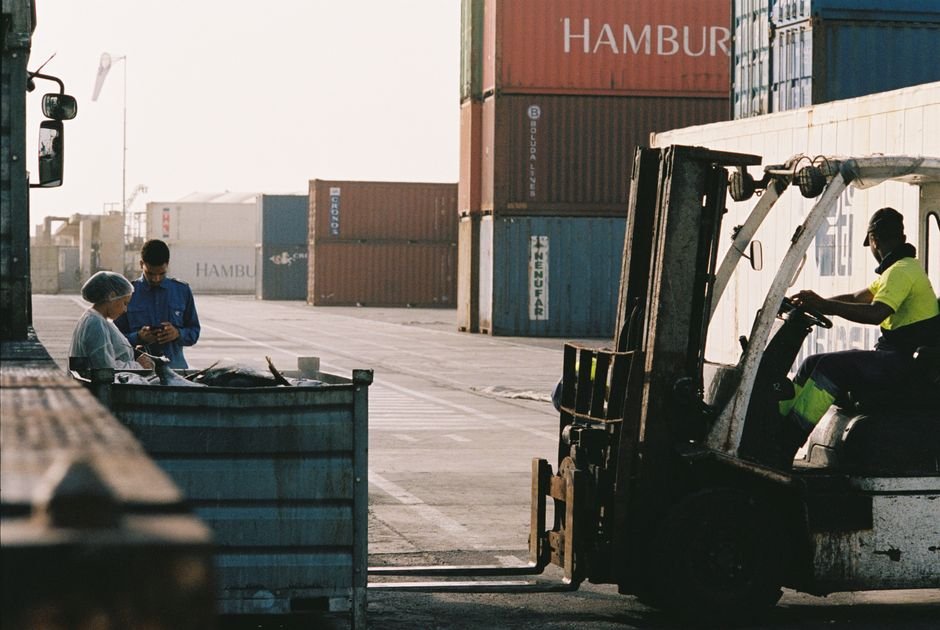
A large share of the visible damage found at Belgium delivery can be traced to supplier handling or loading in China rather than to the ocean crossing. The highest-risk moments are usually the first forklift transfer, outdoor storage, live loading at the factory, and handover into a container freight station. Once weak pallets or badly stacked cartons are sealed inside a container, the problem is invisible until the consignee opens the doors.
When you ship commercial pallets from China to Belgium by sea, the ocean bill of lading often acknowledges a sealed container, not the condition of every pallet inside. That is why pre-load inspection matters. A supervisor or agent should check pallet condition, carton overhang, wrap tension, weight marks, and floor-weight distribution before sealing. The file should include wide-shot and close-up photos, the container number, seal number, loading time, and any exceptions signed by the warehouse.
Pallet standards and container loading controls
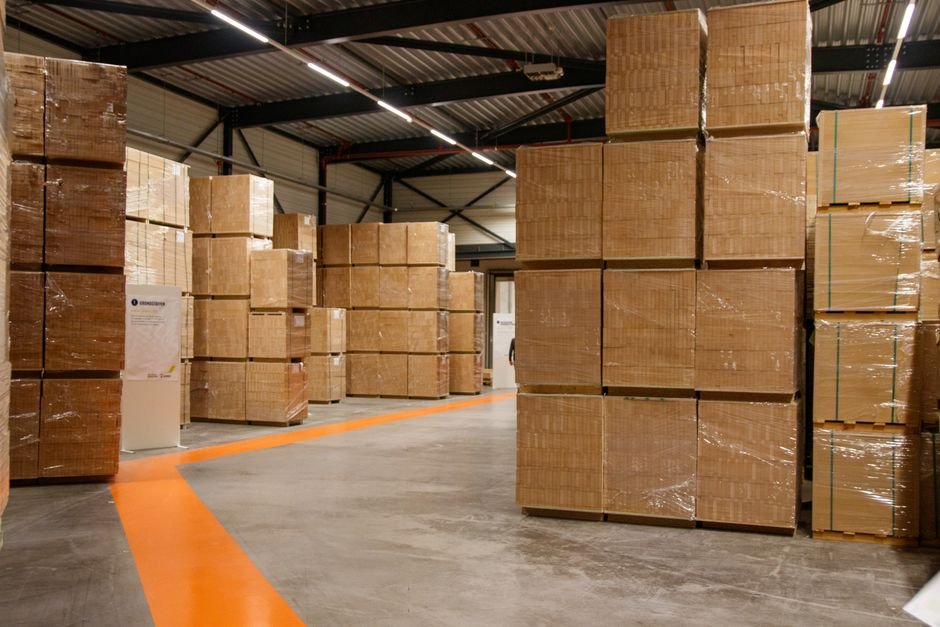
Stamped, dry, four-way-entry pallets with marked weights and stack limits are the safest default for Belgium-bound pallet cargo. Solid-wood pallets must meet ISPM 15 marking requirements; repaired pallets with protruding fasteners, split boards, or soft blocks should be rejected before loading. Pressed-wood, plastic, or plywood platforms may be suitable, but the receiver’s handling equipment and warehouse rules should be confirmed first.
Cartons should sit within the pallet footprint, with no overhang, and should be wrapped with tensioned film, corner boards, and strapping where needed. Heavy units go low and centered; light or crushable cargo goes on top only if the lower load is rated for stacking. Inside the container, use dunnage, void fillers, lashing, and anti-slip mats to prevent movement. Do not place excessive pressure against the doors, and record the floor loading on the load plan where the cargo is concentrated.
DDP vs DAP: clearance, delivery, and risk transfer
The practical difference between DDP and DAP when shipping from China is who controls import clearance and pays duties, not a change in the need for physical loading controls. Under DAP, the seller makes the goods available to the buyer on the arriving means of transport, ready for unloading at the named Belgium place, but the buyer handles import clearance, duties, VAT, and usually unloading. Under DDP, the seller clears the goods for import and pays duties and VAT before that delivery point.
Under both DAP and DDP, physical risk remains with the seller until the goods are placed at the buyer’s disposal at the named destination, ready for unloading. If your underlying sale term is FOB, CFR, or CIF, however, risk transfers when the goods are loaded on board the vessel in China; under CFR or CIF, the seller’s carriage obligation can still extend to the named port, so do not confuse the division of charges with the risk point.
DDP also requires a workable EU importer-of-record structure, VAT registration or representation, and accurate commodity classification. A DDP scope for France or Belgium should therefore list duty, VAT, customs filing, terminal handling and last-mile delivery separately. The same border-control test applies when choosing a reliable shipping agent in China for UK imports, because UK VAT and customs procedures differ from EU rules.
Warehouse consolidation vs direct loading
A China warehouse consolidation vs direct shipping comparison should include claim risk alongside the ocean leg: consolidation adds handling touches but creates an inspection checkpoint, while direct FCL loading only works when the supplier can load safely. For multiple suppliers, LCL volumes, or mixed ready dates, a China warehouse can inspect, repalletize, photograph, and combine cargo under one controlled load plan.
Direct FCL loading usually means fewer handlings, and it works best when the supplier has a trained loading team and the cargo already fills the container. The tradeoff is that internal damage may remain hidden until Belgium. For China to Belgium commercial pallet shipping, use consolidation when suppliers are small, packaging is inconsistent, or cargo is fragile; use direct loading when volume, weight distribution and supplier quality are already verified. The gap between the two models shows up in pickup, storage, CFS handling, devanning, detention and redelivery, which is why the comparison has to be run per shipment.
Sea routing and May 2026 timing
As of 2026-05, book against the published peak-season cutoff for your chosen sailing to protect both space and loading quality. Palletized moves commonly run from major Chinese load ports to Antwerp, sometimes with transshipment or feeder connection, followed by road delivery to the Belgian consignee.
End-to-end transit depends on the sailing and the Belgian delivery window, and both should be revalidated at booking because blank sailings and rollovers compress inspection time. If cargo arrives after the cutoff, warehouses may prioritize throughput over load-plan checks. Confirm the cargo-ready date, documentation cutoff, container gate-in date, and Belgium delivery window in one schedule before issuing the booking.
Documentation and damage claims
Dated loading evidence is usually the deciding factor in a damage or short-delivery claim, so the claim file should be built before the container is sealed. Essential documents include the booking, bill of lading, packing list with pallet counts and weights, commercial invoice, EORI details, origin paperwork, delivery instructions, and any DDP authorization for import filing.
At destination, exceptions should be noted on the proof of delivery before signing, even if the trailer appears sealed. Photograph the intact seal, container interior, damaged pallets, labels, and individual cartons before moving the load. Report concealed damage within the carrier’s stated window, preserve packaging, and arrange a survey for high-value shipments. A clean transport document and weak loading photos make recovery difficult, even when cargo insurance is in place.
Quick DAP vs DDP comparison
For China to Belgium commercial pallet shipping, DDP offers more import convenience, while DAP suits an EU importer that can clear customs directly. The choice should follow customs capability, tolerance for duty uncertainty, and control over the import entry.
| Question | DAP | DDP |
|---|---|---|
| Import clearance | Buyer | Seller |
| Duties and VAT | Buyer | Seller |
| Physical delivery risk | Seller until goods are ready for unloading at named place | Seller until goods are ready for unloading at named place |
| Unloading | Usually buyer unless separately agreed | Usually buyer unless separately agreed |
| Best fit | Experienced EU importer with EORI and customs resource | Shipper wanting a delivered-duty-paid arrangement with compliant import control |
DDP does not automatically reduce physical damage; it only changes who manages import compliance. Damage prevention still depends on pallet quality, load planning, photography, and handover control.
FAQ
The most useful FAQ answers for China to Belgium commercial pallet shipping focus on pallet compliance, Incoterms, and loading evidence.
Does DDP eliminate damage risk? No. DDP shifts import clearance and duty responsibility to the seller, but it does not replace proper palletizing, lashing, inspection, or cargo insurance.
Can pallets be double-stacked? Only when the lower pallet, cartons, and product are rated for the load. If stacking is unsafe, mark the pallets “do not double stack” and state that limit in the load plan.
When is direct FCL the better fit than consolidation? When one supplier can fill the container, when the cargo must stay sealed, or when the receiving window cannot absorb a shared loading schedule. For LCL volumes or multiple suppliers, the warehouse step usually pays for itself in inspection and consolidated documents.
China to Belgium commercial pallet shipping becomes predictable when pallets are compliant, loading is witnessed, and DAP/DDP responsibilities are assigned before booking. The May 2026 capacity window and the published cutoff make early documentation and a clear delivered scope the two things that actually protect the delivery date. Send pallet dimensions, weights, supplier locations and the Belgium delivery address, and we will map the loading plan, route and handover.